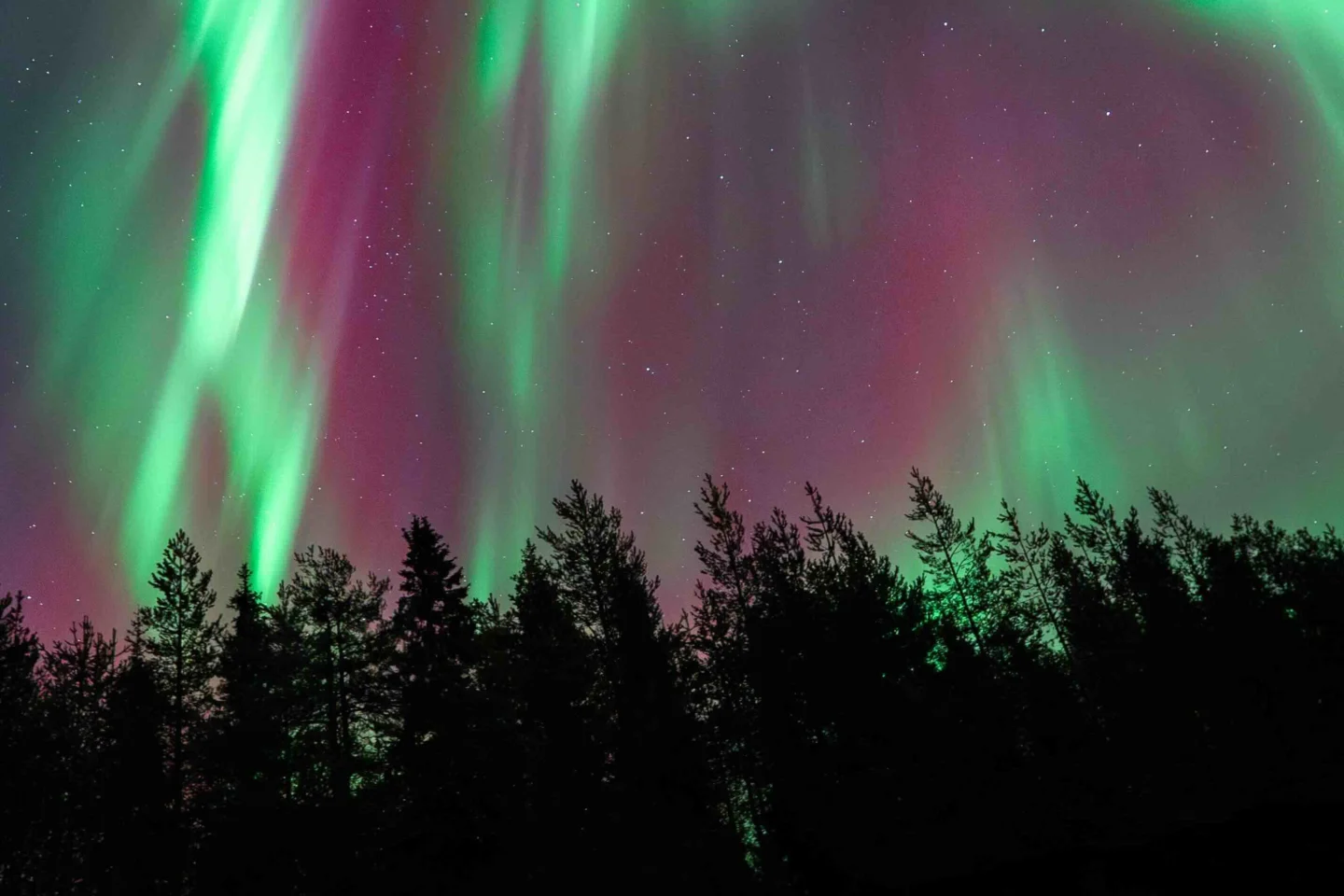
Why do northern lights appear in different colors?
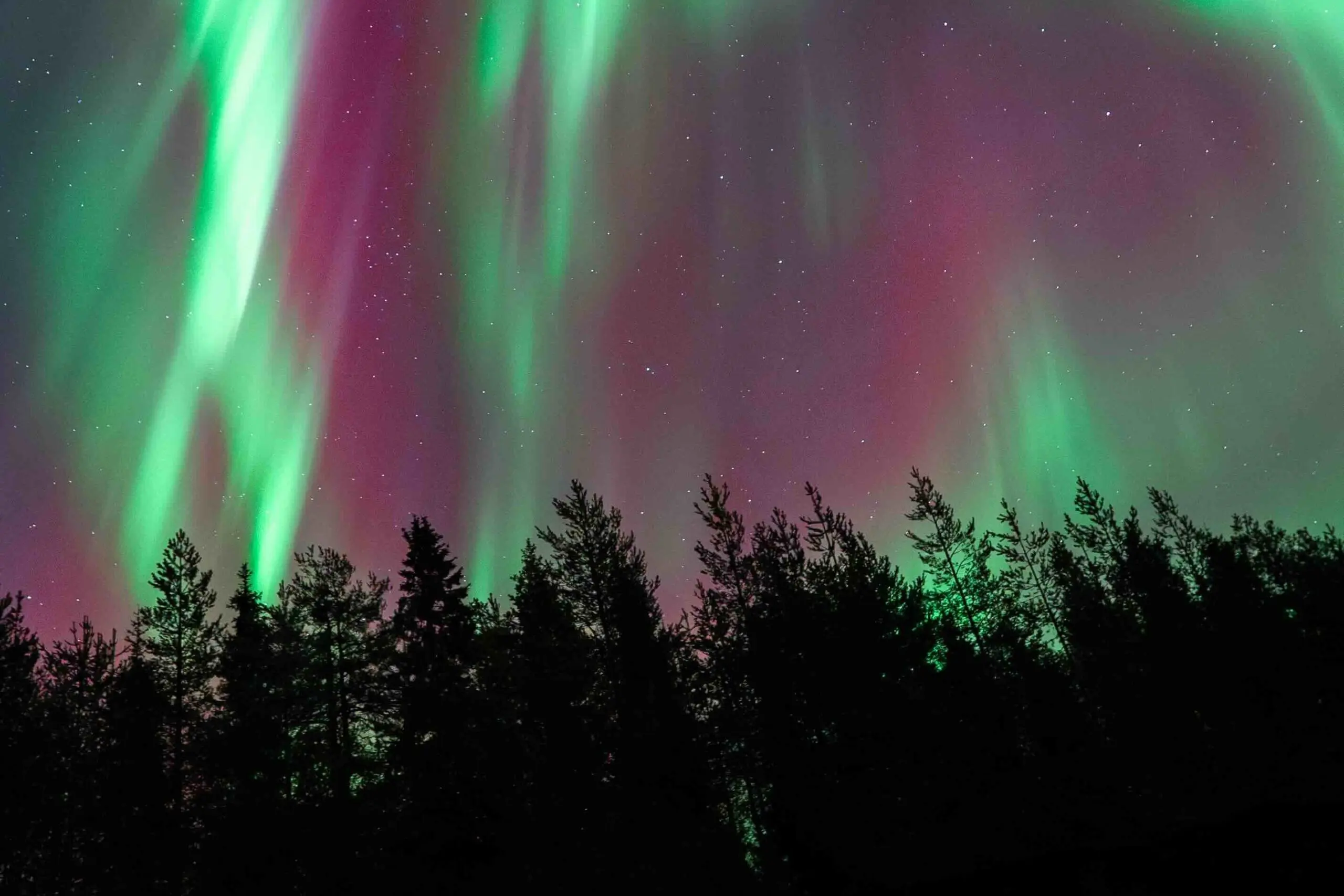
The northern lights appear in different colours due to interactions between charged solar particles and various atmospheric gases at different altitudes. When energised particles from the sun collide with oxygen and nitrogen molecules in Earth’s atmosphere, they emit light at specific wavelengths, creating the stunning aurora borealis colours we see. The most common hues include green, pink, red, and purple, with each colour revealing something unique about atmospheric conditions and solar activity intensity.
What causes the northern lights to appear in different colours?
Aurora borealis colours result from solar particles colliding with specific atmospheric gases at varying altitudes, with each gas producing distinct wavelengths of light. When charged particles from solar winds enter Earth’s magnetic field, they excite oxygen and nitrogen molecules, causing them to release photons as coloured light. The type of gas, collision energy level, and altitude determine which colour appears in the night sky.
Oxygen molecules produce green and red auroras depending on altitude, whilst nitrogen creates blue and purple hues. At lower altitudes where atmospheric density is higher, collisions occur more frequently and with greater energy, typically producing brighter, more vivid colours. Higher altitude interactions involve less dense atmospheric conditions, resulting in subtler, rarer colour displays that require exceptional viewing conditions to observe.
The physics behind aurora colours explained involves electron energy states and photon emission. When solar particles strike atmospheric gases, they transfer energy to electrons within those molecules. As excited electrons return to their normal state, they release this energy as visible light at wavelengths specific to each gas type, creating the spectacular colour variations we associate with the northern lights.
Why is green the most common northern lights colour?
Green auroras dominate the night sky because oxygen molecules at 100-300 km altitude produce this wavelength most efficiently during typical solar activity levels. This altitude range contains optimal atmospheric density for frequent particle collisions, and the human eye is particularly sensitive to green wavelengths, making these displays appear brighter and more vivid than other colours even when similar energy levels produce different hues.
The 557.7 nanometre wavelength that creates green auroras occurs when oxygen atoms are excited by solar particles with moderate energy levels. These conditions happen regularly during northern lights activity, making green the colour most visitors can realistically expect to see during Northern Lights viewing experiences in Finnish Lapland. The atmospheric density at this altitude range provides the perfect balance for consistent, visible displays throughout the aurora season.
When planning northern lights viewing in Lapland, understanding that green auroras are most common helps set realistic expectations. Whilst photographs often capture colours more vividly than the human eye perceives them in real-time, green displays remain visible even to casual observers. The brightness and movement of green auroras make them the quintessential northern lights experience, dancing across the polar sky in waves and curtains that captivate viewers.
People’s Favorite Winter Activities in Rovaniemi

Northern Lights Tour Snowmobile Driving
Snowmobiling allows you to explore snowy landscapes in search of the best spots to witness the ethereal beauty of the Northern Lights, the Aurora Borealis.
Northern Lights / Snowmobiling Tour
4 hours
Easy
Cut off: 4 hours before start time
Combos, Northern Lights, Snowmobile
From
149 €
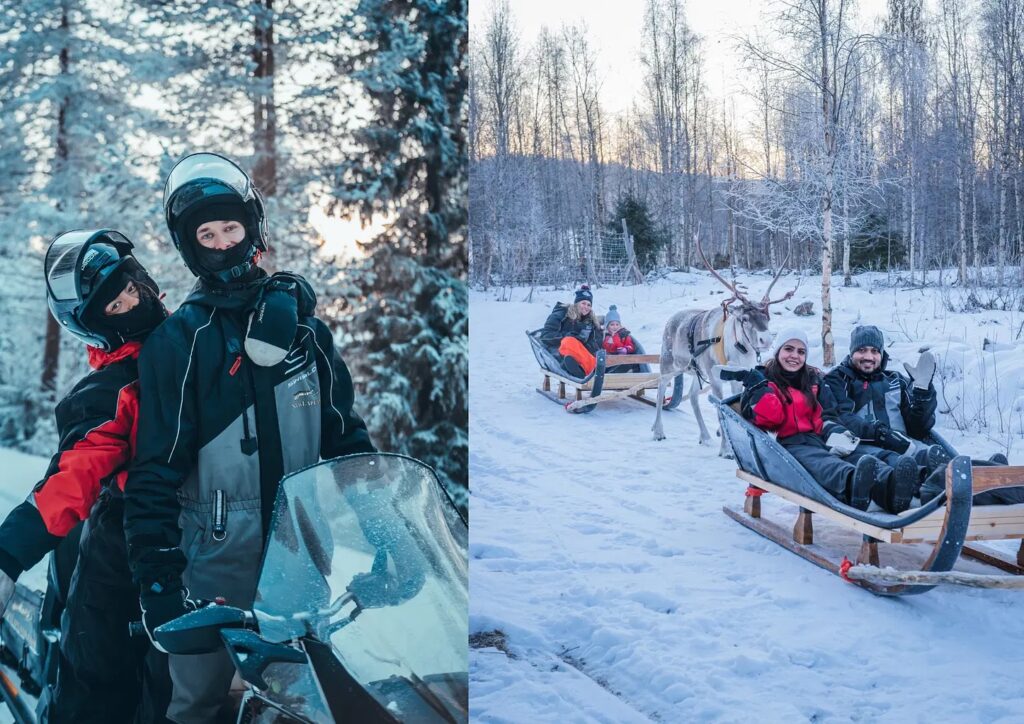
Kuoksa Reindeer & Snowmobile Adventure
Experience the magic of Lapland with a memorable reindeer sleigh ride, delicious salmon soup, and an exciting snowmobile ride. This unforgettable adventure combines action, nature, and local flavors in perfect harmony.
Reindeer and snowmobile safari
5 hours
Easy
Cut off: 8 hours before start time
Combos, Reindeer, Snowmobile
From
249 €
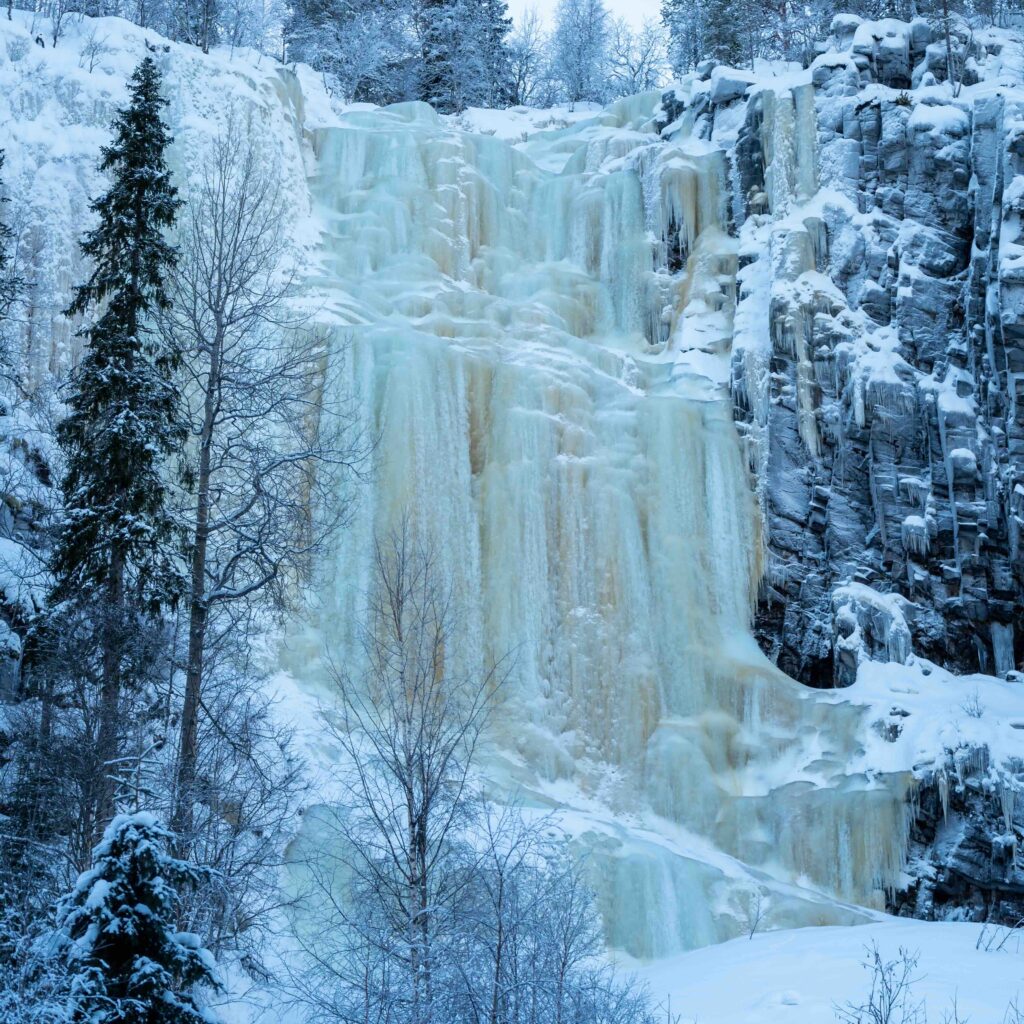
Korouoma Frozen Waterfalls Hike
Korouoma is a Finnish nature reserve area known in winter for its frozen waterfalls, and where ice climbers can be found.
Nature tour
6 hours
Challenging
Cut off: 3 hours before start time
Nature & Culture
From
139 €
What do the rare red and pink northern lights mean?
Rare red and pink northern lights indicate high-altitude oxygen interactions above 300 km or intense solar activity that energises nitrogen molecules at lower altitudes. Red auroras occur when oxygen at extreme heights emits light at 630 nanometres, requiring powerful solar storms to generate sufficient energy at such sparse atmospheric densities. Pink and purple hues appear when nitrogen molecules become excited, often creating colourful lower borders on green aurora curtains.
These exceptional colour displays require special conditions that don’t occur during every aurora event. Strong geomagnetic storms with elevated solar wind speeds and particle densities are necessary to produce the energy levels needed for red aurora formation. Purple and pink northern lights often accompany particularly active displays, adding spectacular colour variations that make these events truly memorable for fortunate observers.
Catching these rare aurora colours requires patience, optimal viewing conditions, and sometimes a bit of luck. At Aurora Hill Resort, our real-time aurora alert notification system ensures you won’t miss exceptional displays when they occur. The resort’s strategic positioning and unobstructed sky views maximise your chances of witnessing the full spectrum of northern lights colours, including these stunning rare variations that photographers and aurora enthusiasts treasure.
Where can you see the full spectrum of northern lights colours?
Observing multiple aurora colours requires dark sky locations with minimal light pollution and extended viewing opportunities that allow you to experience different intensity levels throughout the night. Finnish Lapland provides exceptional conditions for comprehensive northern lights experiences, combining optimal latitude positioning within the auroral oval, pristine natural darkness, and expert guidance that enhances your understanding of what you’re witnessing.
Aurora Hill Resort offers purpose-built accommodations designed specifically for northern lights viewing, featuring panoramic windows, comfortable observation areas, and our innovative alert system that notifies guests when auroras appear. The resort’s elevated position provides unobstructed views across the Arctic sky, whilst our expert team helps interpret the colours and patterns you observe, connecting scientific understanding with the wonder of experiencing this natural phenomenon.
Extended viewing time significantly increases your chances of seeing colour variations, as aurora intensity and altitude change throughout the night. Our accommodations allow you to watch comfortably from heated spaces, stepping outside when displays intensify or rare colours appear. Whether you’re staying in our Aurora Suite for intimate couple experiences or the Aurora Family Suite for group adventures, each cabin provides the perfect base for comprehensive northern lights exploration.
Planning your visit with knowledgeable guidance makes all the difference in experiencing the true diversity of aurora borealis colours. We combine scientific understanding of solar activity patterns with generations of Arctic experience, helping you maximise your viewing opportunities during your stay. For personalised advice about optimal viewing times and booking your northern lights adventure, contact our team who can answer your questions and help plan your Arctic journey.
Experience the Real Lapland

Arctic Snowmobile Tour on Private Trails
Experience the thrill of snowmobiling through Lapland’s winter wonderland! This family-friendly adventure includes about an hour of driving, leading to a private lakeside base. With expert guidance and top-quality gear, it's the perfect mix of excitement and safety. Book now for an unforgettable Arctic ride!
For Everyone
Snowmobiling tour
3 hours
Easy
Cut off: 4 hours before start time
Snowmobile
From
99 €
Korouoma Frozen Waterfalls Hike
Korouoma is a Finnish nature reserve area known in winter for its frozen waterfalls, and where ice climbers can be found.
Nature tour
6 hours
Challenging
Cut off: 3 hours before start time
Nature & Culture
From
139 €

Northern Lights Tour in Atmospheric Cottage
Feel the heritage and natural beauty of Finn-Lapland at the atmospheric cottage. Enjoy +100 years old traditional Finnish cottage located by a lake and a Laavu and explore the beautiful landscape.
For Everyone
Northern Lights tour / activity
3 hours
Very easy
Cut off: 3 hours before start time
Northern Lights
From
109 €