What is the difference between Siberian and Alaskan huskies?
The Siberian husky and Alaskan husky represent two distinct types of Arctic sled dogs with different breeding purposes and characteristics. Siberian huskies are a recognised purebred with standardised features bred for consistent appearance and traditional team work, whilst Alaskan huskies are purpose-bred working dogs developed specifically for performance and speed rather than conforming to breed standards. Understanding these differences helps appreciate what makes each type special for Arctic sledding experiences.
What is the difference between Siberian and Alaskan huskies?
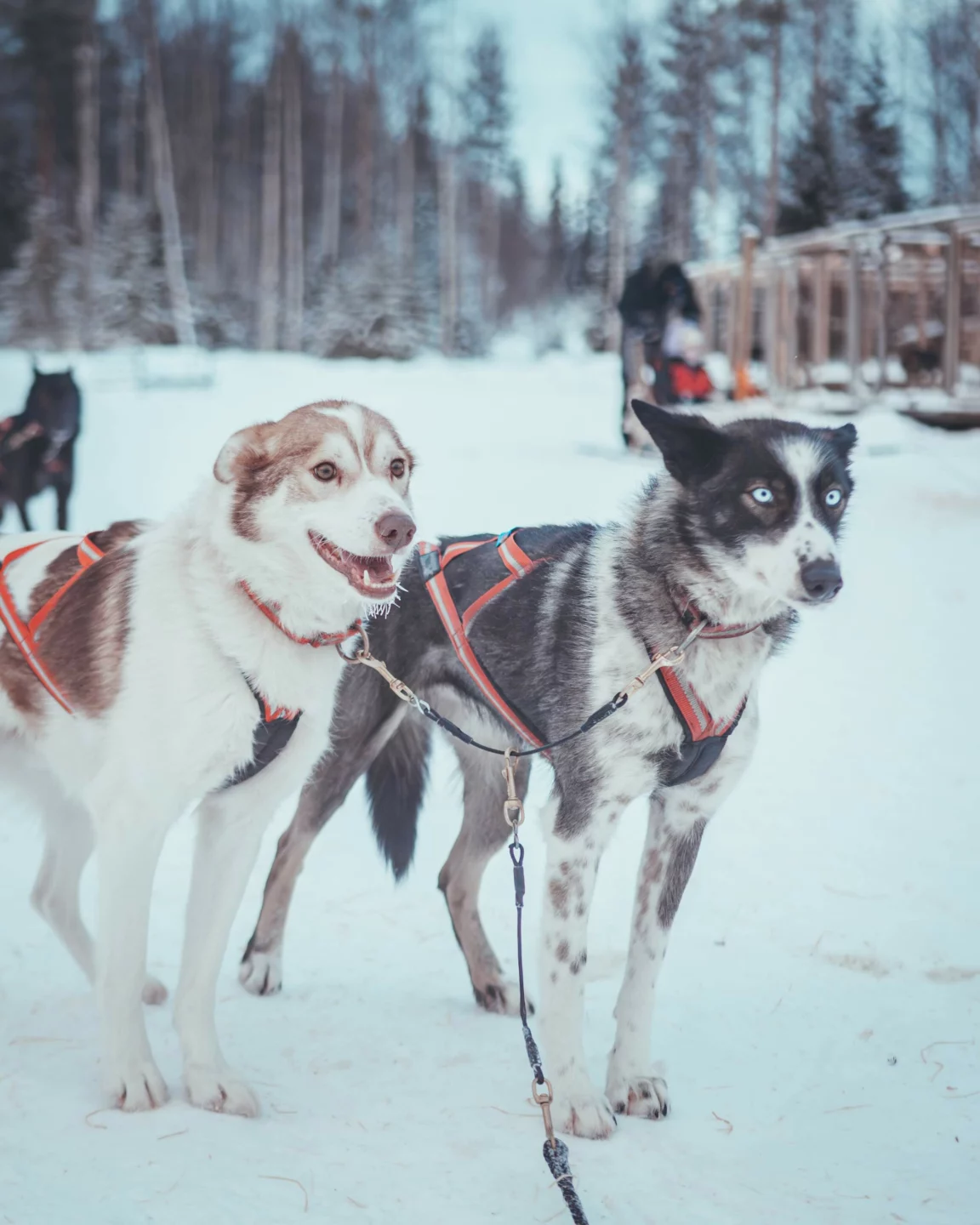
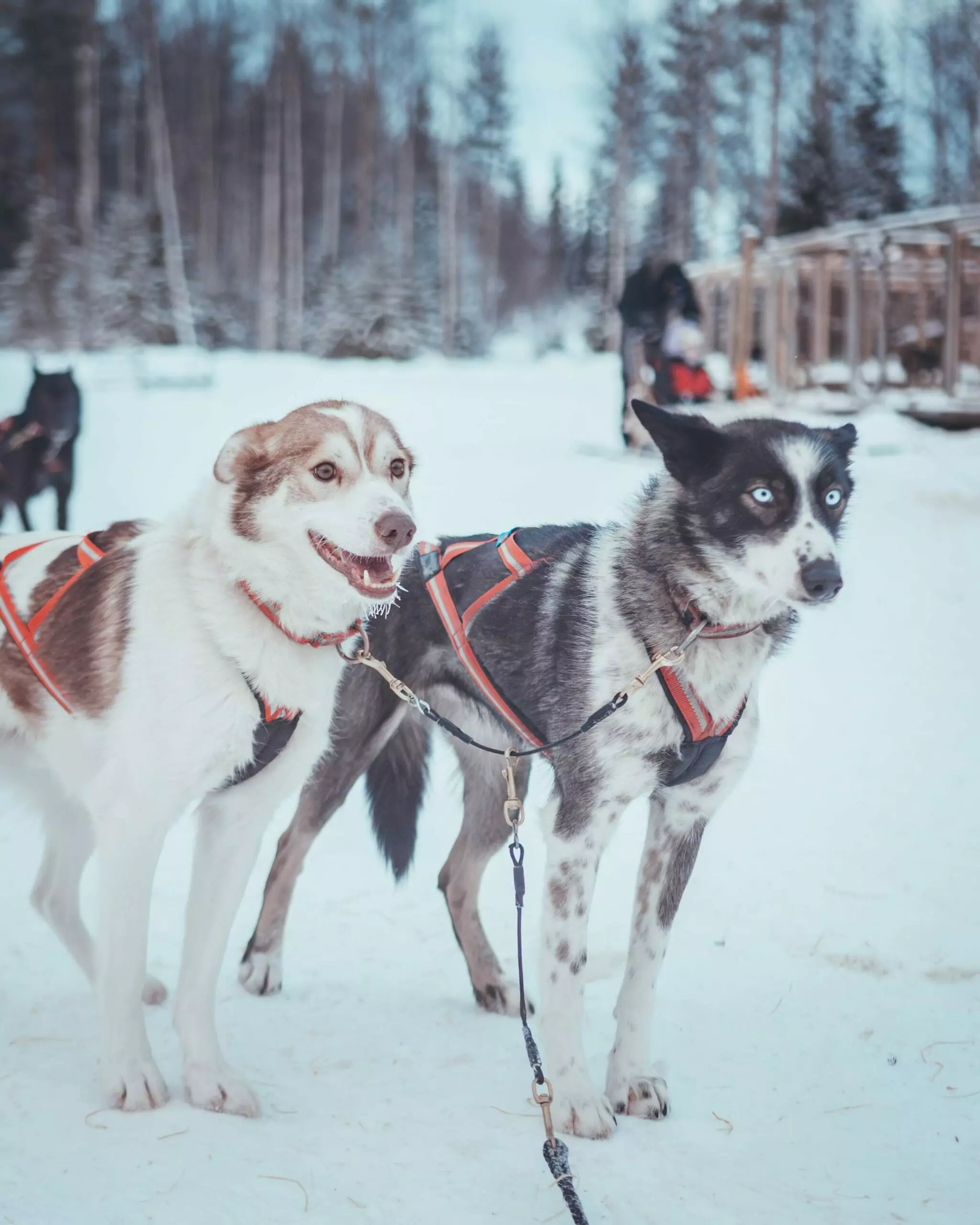
Siberian huskies are a recognised purebred with standardised physical characteristics, whilst Alaskan huskies are purpose-bred working dogs developed for performance without breed standards. Siberian huskies originated in northeastern Asia and were bred by the Chukchi people for hauling moderate loads over long distances in harsh Arctic conditions. They typically weigh between 16-27 kilograms and stand 50-60 centimetres tall, featuring distinctive facial markings, erect triangular ears, and the classic thick double coat in various colour patterns including black, grey, red, and white combinations.
Alaskan huskies, by contrast, aren’t a standardised breed but rather a type of dog bred specifically for sledding performance. They’re often crossbred with various northern breeds and even some non-husky breeds to maximise speed and endurance. This selective breeding for working ability means Alaskan huskies show greater variation in appearance than their Siberian cousins. They tend to have leaner builds, shorter coats, and can display a wider range of coat colours and patterns.
The temperament differences reflect their breeding purposes. Siberian huskies are known for their friendly, gentle nature and strong pack mentality, making them excellent team players in traditional sledding contexts. Alaskan huskies are typically more focused and driven, bred specifically for their work ethic and competitive spirit. Both types share the characteristic husky enthusiasm and love for running, but Alaskan huskies often display more intense drive during sledding activities.
Speed capabilities distinguish these husky breeds significantly. Alaskan huskies are generally faster, capable of maintaining higher speeds over long distances, which is why they dominate competitive sledding events. Siberian huskies, whilst still impressively swift, are built more for consistent endurance in extreme cold rather than pure speed, making them ideal for traditional Arctic work where reliability in harsh weather matters most.
People’s Favorite Winter Activities in Rovaniemi

Nulkki Husky Adventure
Family Friendly 5km Self Driven Husky Sleigh Tour in Rovaniemi.
Husky tour
4 hours
Easy
Cut off: 12 hours before start time
Husky
From
189 €

Lapland Bucketlist Adventure with Huskies, Reindeer & Snowmobiles. Lunch & Photographer Included!
Experience the ultimate Lapland bucket list in one unforgettable day with huskies, reindeer, and snowmobiles. Includes a warm lunch and a professional photographer to capture every moment.
Combo tour
6 hours
Moderate
Cut off: 4 hours before start time
Combos, Husky, Reindeer, Snowmobile
From
449 €
Which husky breed is better for sledding and Arctic work?
Both husky types excel in Arctic sledding, but for different purposes. Alaskan huskies dominate competitive sledding due to their superior speed and endurance breeding, whilst Siberian huskies excel in traditional team work and tolerance of the harshest weather conditions. The choice between them depends on the specific sledding activity and environmental demands rather than one being universally superior.
In real Arctic conditions like those found in Finnish Lapland, both breeds demonstrate remarkable working abilities. Alaskan huskies can maintain faster average speeds over long distances, making them preferred for racing and time-sensitive expeditions. Their lighter build and efficient gait allow them to cover ground quickly whilst conserving energy. Professional mushers breeding Alaskan huskies specifically select for traits like strong feet, efficient metabolism, and competitive drive.
Siberian huskies, however, possess unmatched cold weather tolerance thanks to their dense double coats and compact builds that conserve body heat. They work exceptionally well in traditional team formations, displaying natural cooperation and steady, reliable pulling power. Their consistent temperament makes them particularly suitable for guided tours where predictable behaviour matters as much as performance.
At StayLapland, we work with both husky types at our exclusive Kuoksa Wilderness Park, allowing our experienced mushers to match dogs to specific conditions and guest experiences. Professional mushers consider factors including temperature, trail conditions, distance, group experience level, and the desired pace when selecting teams. Both Siberian and Alaskan huskies contribute to authentic Arctic experiences, each bringing their unique strengths to create memorable sledding adventures through Lapland’s pristine wilderness.
How can you experience working with huskies in Lapland?
Finnish Lapland offers authentic husky sledding experiences where you can drive your own dog team through Arctic wilderness whilst learning from expert mushers. At StayLapland, our husky activities in Rovaniemi take place at the private Kuoksa Wilderness Park, providing genuine encounters with professional husky teams in crowd-free natural settings where these remarkable working dogs thrive.
Our husky experiences range from introductory rides perfect for families to extended wilderness expeditions for adventure seekers. Each activity begins with comprehensive instruction from passionate mushers who share generations of Arctic knowledge about husky characteristics, sledding techniques, and the deep bond between mushers and their canine companions. You’ll learn to harness the dogs, understand their behaviour, and safely guide your own team through snow-covered forests and frozen landscapes.
The self-mushed sledding adventures allow you to experience the thrill of controlling a husky team yourself, feeling their power and enthusiasm as they race along wilderness trails. Our 5-kilometre rides through the serene forests surrounding Rovaniemi showcase both the beauty of Lapland’s Arctic environment and the impressive working abilities of these northern breeds. Small group sizes ensure personalised attention and meaningful connections with the huskies.
What makes genuine husky experiences special is the opportunity to understand these dogs beyond just a ride. You’ll meet the kennel teams, observe their care routines, and learn about the training methods that create such capable working dogs. Our commitment to animal welfare ensures all huskies receive exceptional care, proper rest, and optimal nutrition. The traditional teepee setting provides a warm place to relax with hot drinks whilst hearing stories about husky breeding and Lapland sledding traditions.
Winter clothing including overalls, boots, gloves, and socks are provided for all participants, ensuring comfort in Arctic conditions. Complimentary pick-up and drop-off services within 10 kilometres of Rovaniemi city centre make accessing these wilderness experiences convenient. Whether you’re interested in the standardised beauty of Siberian huskies or the performance-bred Alaskan huskies, our professional teams showcase the best qualities of both types in their natural working environment.
These husky sledding adventures seamlessly combine with our other Arctic activities and luxury accommodations to create comprehensive Lapland experiences. The husky sledding season typically begins in late November or early December when snow conditions allow, continuing through the winter months. For families, age recommendations vary by child, so we encourage you to contact our guides to discuss whether your children can participate in driving the sleds or riding as passengers.
Experience the Real Lapland

Arctic Snowmobile Tour on Private Trails
Experience the thrill of snowmobiling through Lapland’s winter wonderland! This family-friendly adventure includes about an hour of driving, leading to a private lakeside base. With expert guidance and top-quality gear, it's the perfect mix of excitement and safety. Book now for an unforgettable Arctic ride!
For Everyone
Snowmobiling tour
3 hours
Easy
Cut off: 4 hours before start time
Snowmobile
From
99 €
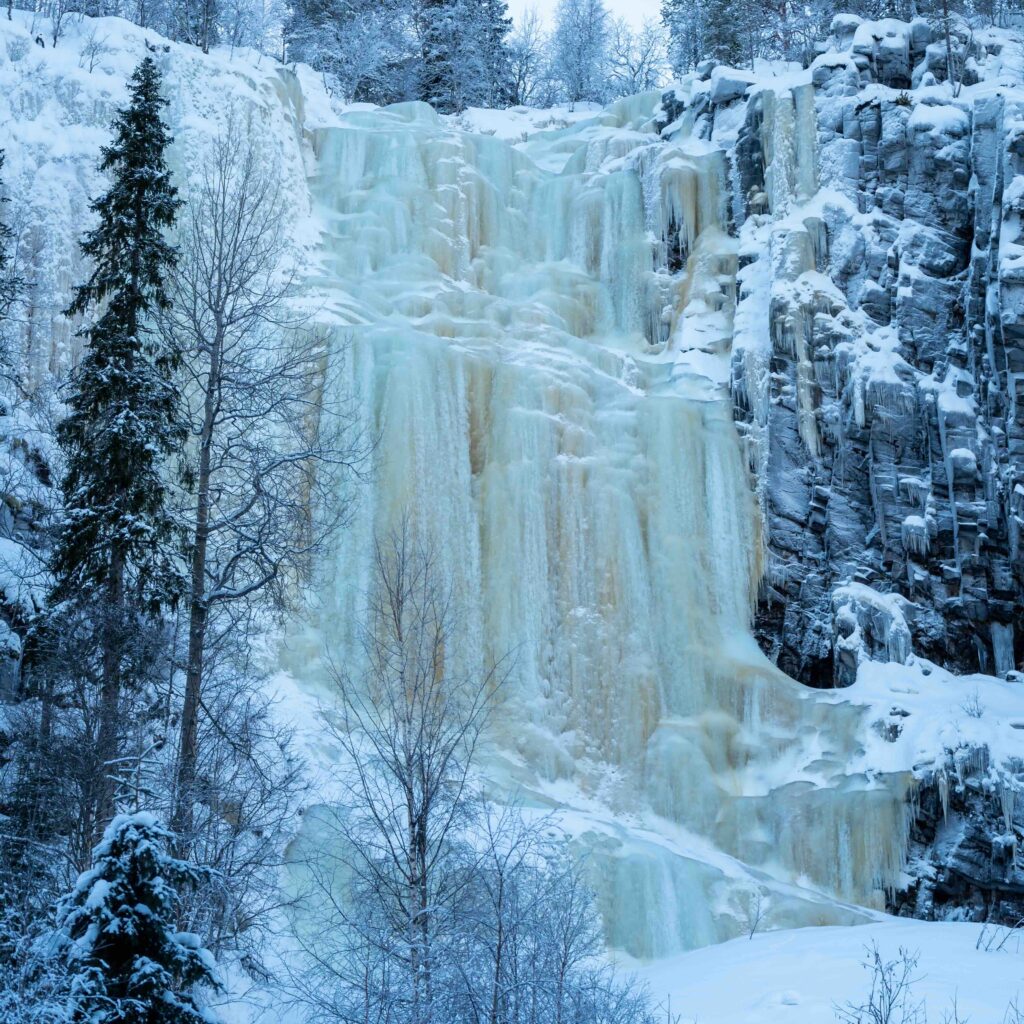
Korouoma Frozen Waterfalls Hike
Korouoma is a Finnish nature reserve area known in winter for its frozen waterfalls, and where ice climbers can be found.
Nature tour
6 hours
Challenging
Cut off: 3 hours before start time
Nature & Culture
From
139 €

Northern Lights Tour in Atmospheric Cottage
Feel the heritage and natural beauty of Finn-Lapland at the atmospheric cottage. Enjoy +100 years old traditional Finnish cottage located by a lake and a Laavu and explore the beautiful landscape.
For Everyone
Northern Lights tour / activity
3 hours
Very easy
Cut off: 3 hours before start time
Northern Lights
From
109 €