Huskies are remarkable Arctic canines bred for extreme cold environments, featuring double-layered coats, exceptional endurance, and unique metabolisms that allow them to thrive in temperatures as low as -50°C. These Siberian husky facts reveal highly social animals with distinctive communication patterns, natural athleticism, and an innate love for running and pulling. Understanding husky characteristics helps you appreciate why these magnificent dogs create such authentic Arctic experiences in Finnish Lapland.
What makes huskies perfectly adapted for Arctic life?
Huskies possess extraordinary physical adaptations that allow them to thrive in extreme Arctic conditions. Their double-layered coat system consists of a dense undercoat for insulation and a water-resistant outer layer that protects against wind and moisture. This remarkable fur can keep them comfortable in temperatures plummeting to -50°C, making them ideally suited for the harsh Finnish Lapland winters.
Beyond their impressive coats, these arctic huskies have evolved unique biological features specifically for cold climate survival. Their almond-shaped eyes provide natural protection against snow blindness and harsh Arctic winds, whilst their compact paws feature thick padding and fur between the toes that prevents ice buildup and frostbite. The husky’s metabolism operates differently from most dog breeds, efficiently converting food into sustained energy and body heat even during extended periods of intense physical activity.
These natural adaptations make huskies perfect companions for authentic wilderness experiences. Their ability to maintain energy and enthusiasm in sub-zero temperatures means they genuinely enjoy pulling sleds through snowy landscapes, which is why husky sledding in Rovaniemi offers such an ethical and thrilling adventure. The dogs aren’t merely tolerating the cold; they’re operating in their element, doing what centuries of breeding has prepared them to do.
People’s Favorite Winter Activities in Rovaniemi

Northern Lights Tour Snowmobile Driving
Snowmobiling allows you to explore snowy landscapes in search of the best spots to witness the ethereal beauty of the Northern Lights, the Aurora Borealis.
Northern Lights / Snowmobiling Tour
4 hours
Easy
Cut off: 4 hours before start time
Combos, Northern Lights, Snowmobile
From
149 €
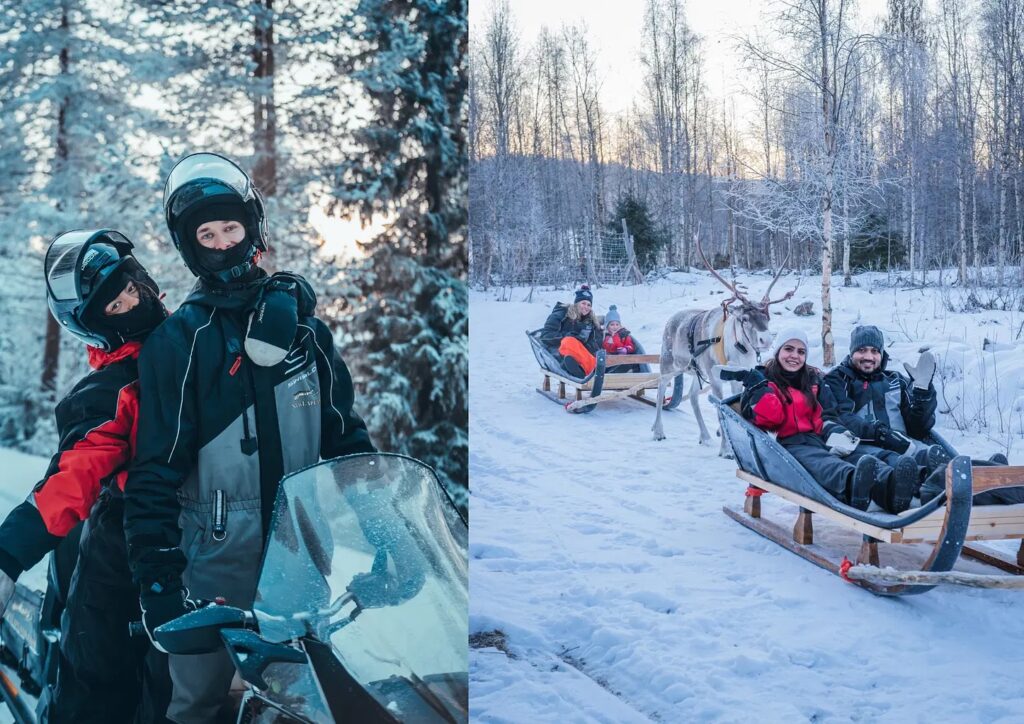
Kuoksa Reindeer & Snowmobile Adventure
Experience the magic of Lapland with a memorable reindeer sleigh ride, delicious salmon soup, and an exciting snowmobile ride. This unforgettable adventure combines action, nature, and local flavors in perfect harmony.
Reindeer and snowmobile safari
5 hours
Easy
Cut off: 8 hours before start time
Combos, Reindeer, Snowmobile
From
249 €
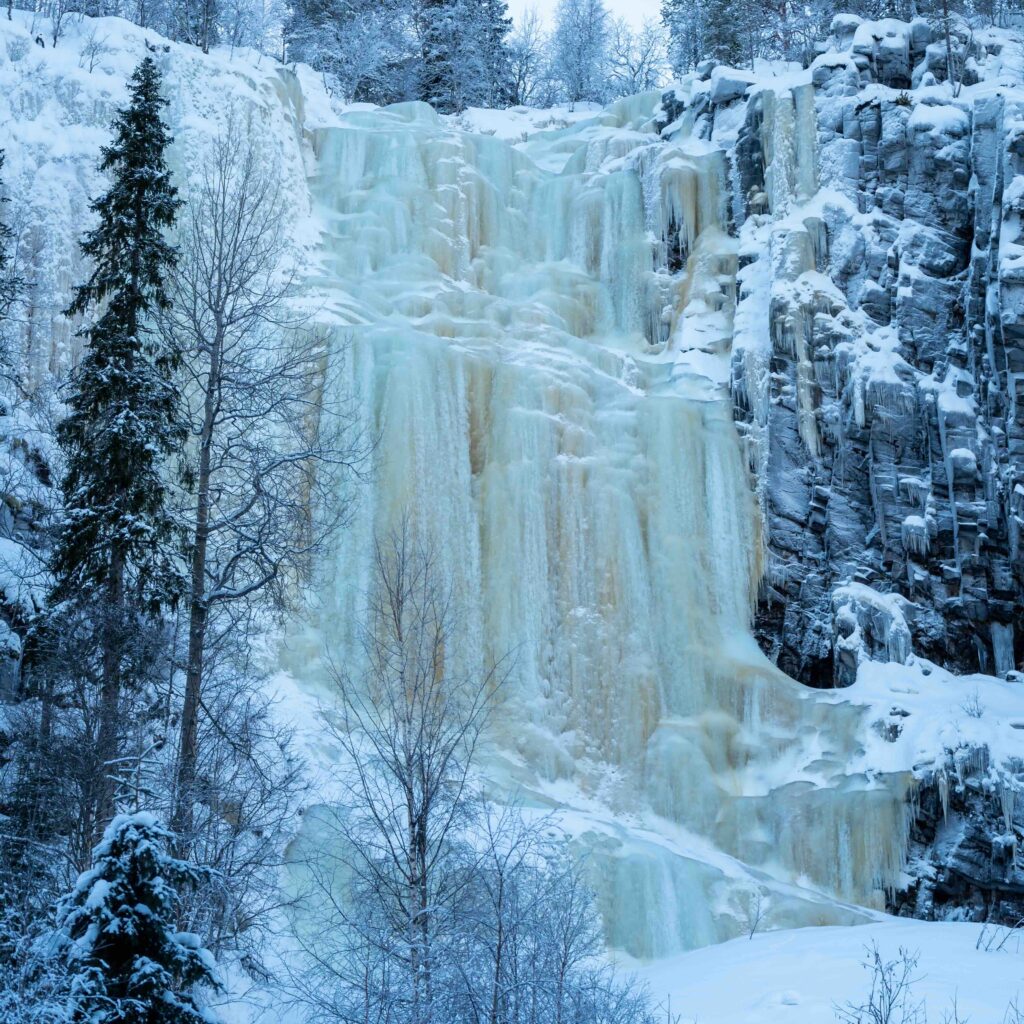
Korouoma Frozen Waterfalls Hike
Korouoma is a Finnish nature reserve area known in winter for its frozen waterfalls, and where ice climbers can be found.
Nature tour
6 hours
Challenging
Cut off: 3 hours before start time
Nature & Culture
From
139 €
How do huskies communicate and what does their behaviour tell us?
Huskies communicate primarily through howling rather than barking, a trait inherited from their wolf ancestry that allows them to communicate across vast Arctic distances. This distinctive vocalisation serves multiple purposes within their pack structure, from expressing excitement before a run to maintaining social bonds with their team members. Understanding these communication patterns enhances your appreciation of husky dog facts during sledding adventures.
These highly social animals operate within a clear pack hierarchy, displaying complex body language that conveys everything from playful invitation to respectful submission. Huskies use tail position, ear placement, and eye contact to communicate with both their canine companions and human handlers. Their friendly, energetic temperament makes them naturally sociable with people, though they maintain strong bonds within their dog teams that drive their cooperative sledding behaviour.
At StayLapland, our experienced mushers interpret these communication signals to ensure each husky team works harmoniously together. Before your husky activities in Rovaniemi, guides explain what different vocalisations and behaviours mean, helping you understand the excitement and anticipation these dogs display before heading into the wilderness. This knowledge transforms your experience from simply riding behind dogs to genuinely connecting with these remarkable Arctic athletes.
Why are huskies natural-born athletes and working dogs?
Huskies possess extraordinary endurance capabilities that seem almost supernatural given their medium size. These natural athletes can maintain steady running speeds for hours without tiring, pulling loads significantly heavier than their own body weight across challenging Arctic terrain. Their cardiovascular efficiency, muscle composition, and energy metabolism work together to create one of nature’s most impressive endurance machines.
The history of huskies as working sled dogs spans thousands of years across Arctic regions, where indigenous communities relied on these dogs for transportation, hunting assistance, and survival in extreme conditions. Siberian husky facts reveal dogs bred specifically for stamina and strength relative to their size, with an innate love for running and pulling that isn’t trained into them but rather part of their genetic makeup. This working heritage means huskies require substantial physical exercise and mental stimulation to maintain their wellbeing and happiness.
We honour these natural instincts through ethical husky experiences that fulfil the dogs’ genuine need for exercise and purpose. Our 5-kilometre self-driven husky rides through Kuoksa Wilderness Park allow these athletes to do what they love most: running through pristine Arctic landscapes with their pack. The huskies’ visible enthusiasm before each journey demonstrates they’re not working reluctantly but engaging in an activity that satisfies their deepest instincts, making husky sledding in Lapland both thrilling for guests and enriching for the dogs themselves.
What should you know before experiencing husky sledding in Lapland?
An authentic husky sledding experience centres on ethical animal care and genuine wilderness settings rather than rushed tourist operations. Quality husky activities prioritise the dogs’ wellbeing through proper rest schedules, optimal nutrition, and team sizes that prevent overwork. Understanding husky characteristics helps you recognise operations that truly respect these remarkable animals versus those treating them merely as tourist attractions.
During a professional husky adventure, expect comprehensive instruction on mushing techniques and safety protocols before you take control of your own dog team. Our experienced guides share generations of Arctic knowledge, explaining how to communicate with your huskies, navigate the sled, and read the dogs’ behaviour throughout your journey. The experience includes opportunities to interact with the huskies before and after your ride, learning about their individual personalities and the care they receive year-round.
What differentiates genuine wilderness husky experiences is the setting and approach. At our private Kuoksa Wilderness Park, you’ll enjoy uncrowded trails through pristine Lapland forests, where the only sounds are your huskies’ paws on snow and the whisper of your sled gliding through Arctic wilderness. We provide complete winter clothing including overalls, boots, gloves, and socks, plus warm refreshments in a traditional teepee after your adventure. With pick-up and drop-off services within 10 kilometres of Rovaniemi city centre, accessing authentic husky sledding becomes effortless.
The husky sledding season typically begins in late November or early December when snow conditions become suitable. Our activities welcome families with children as young as three years old, though age restrictions vary based on each child’s physical capabilities. For those seeking more information about creating your perfect Arctic adventure, contact our team to discuss how husky sledding can complement your Finnish Lapland experience.
These husky facts reveal why these remarkable Arctic canines create such unforgettable experiences in Finnish Lapland. Their natural adaptations, social intelligence, athletic abilities, and genuine enthusiasm for running through snowy wilderness make husky sledding an authentic way to connect with Arctic traditions. When you understand what makes these dogs special, every moment of your husky adventure becomes richer and more meaningful.
Experience the Real Lapland

Arctic Snowmobile Tour on Private Trails
Experience the thrill of snowmobiling through Lapland’s winter wonderland! This family-friendly adventure includes about an hour of driving, leading to a private lakeside base. With expert guidance and top-quality gear, it's the perfect mix of excitement and safety. Book now for an unforgettable Arctic ride!
For Everyone
Snowmobiling tour
3 hours
Easy
Cut off: 4 hours before start time
Snowmobile
From
99 €
Korouoma Frozen Waterfalls Hike
Korouoma is a Finnish nature reserve area known in winter for its frozen waterfalls, and where ice climbers can be found.
Nature tour
6 hours
Challenging
Cut off: 3 hours before start time
Nature & Culture
From
139 €

Northern Lights Tour in Atmospheric Cottage
Feel the heritage and natural beauty of Finn-Lapland at the atmospheric cottage. Enjoy +100 years old traditional Finnish cottage located by a lake and a Laavu and explore the beautiful landscape.
For Everyone
Northern Lights tour / activity
3 hours
Very easy
Cut off: 3 hours before start time
Northern Lights
From
109 €