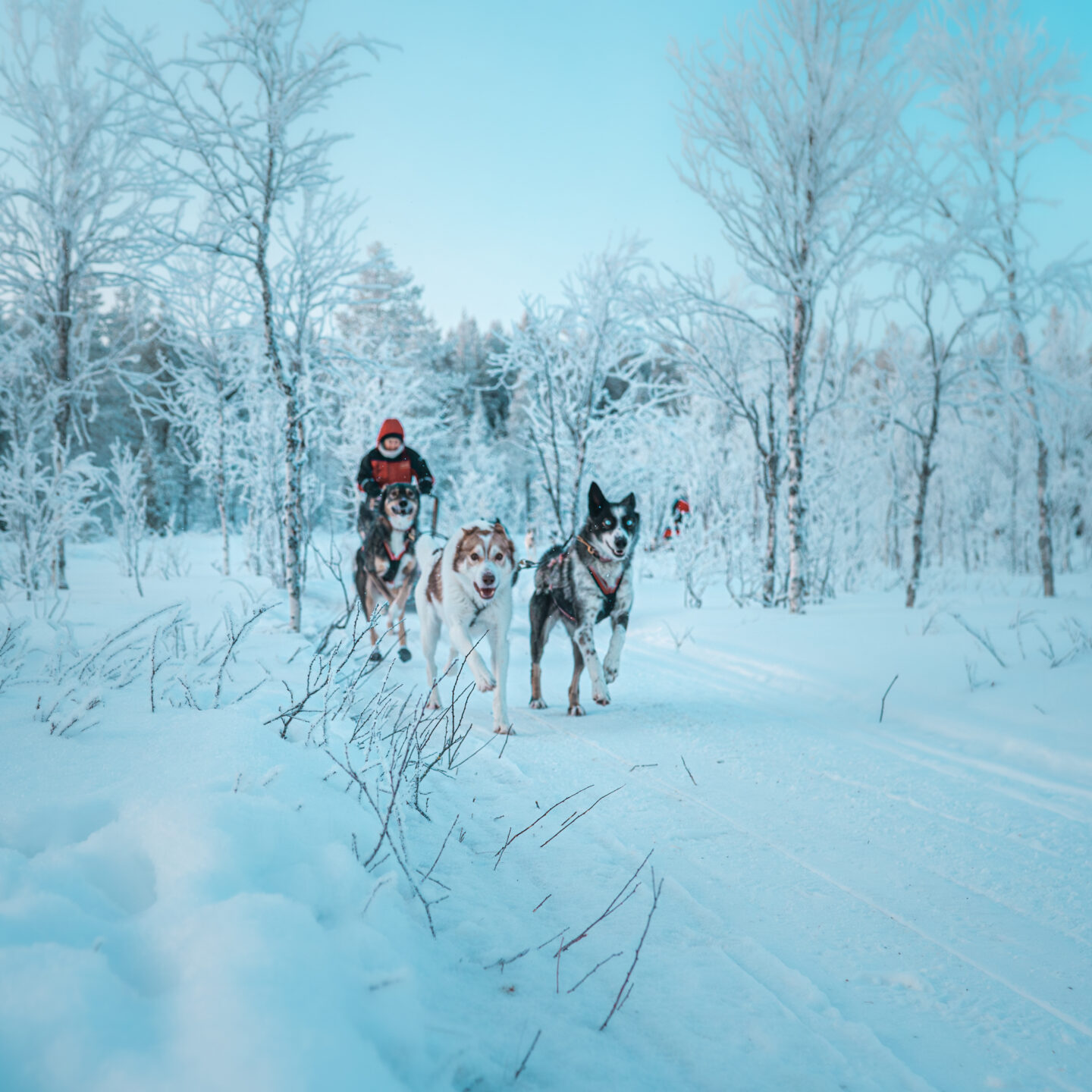
How do huskies survive in the cold?
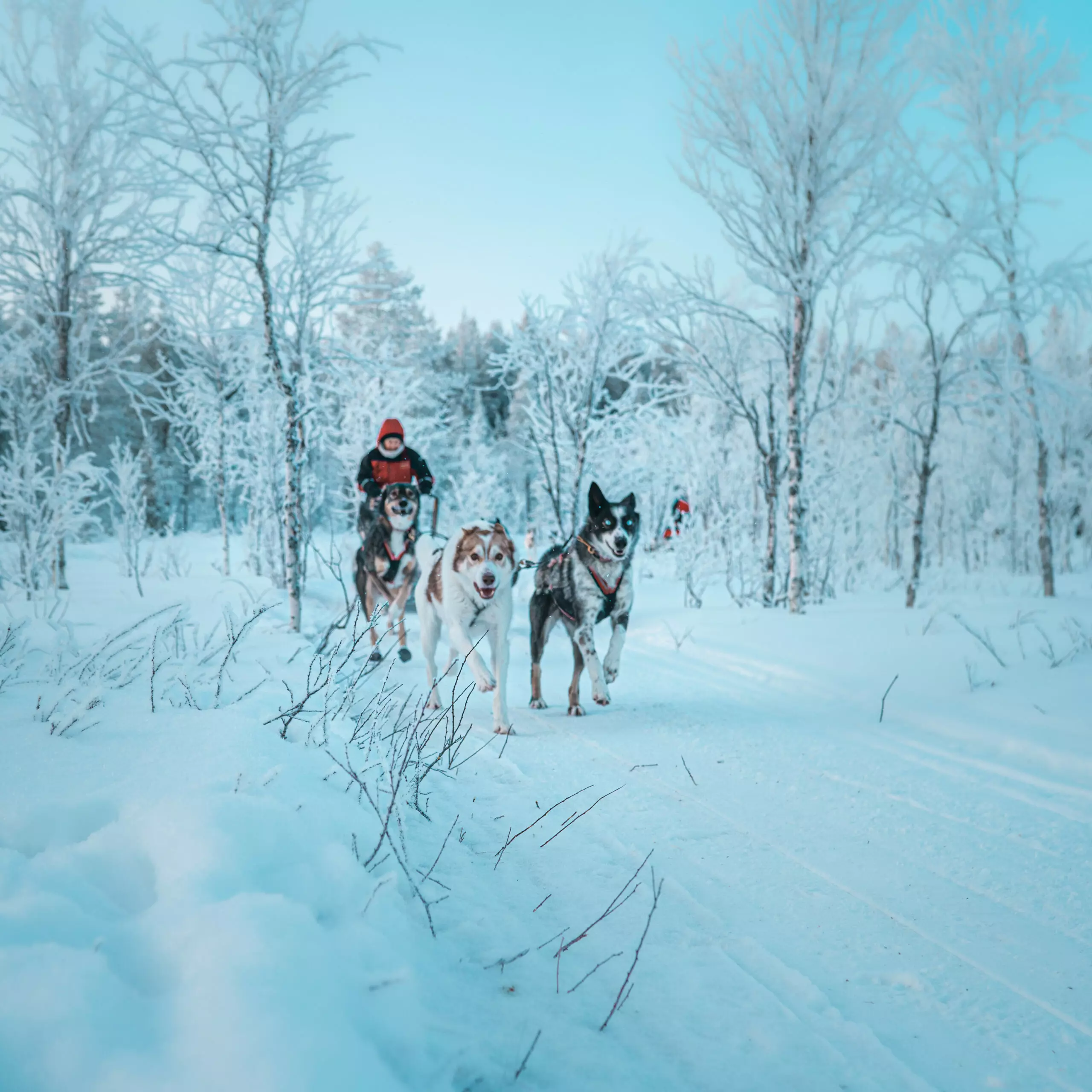
Huskies survive in the cold through remarkable physical adaptations and natural behaviours that make them perfectly suited for Arctic environments. Their double-layered coat system, compact ears, furry paws with specialised circulation, and efficient metabolism enable them to thrive in temperatures as low as -50°C. Combined with instinctive behaviours like curling up to conserve heat and running to generate warmth, these Arctic sled dogs are exceptional cold weather survivors ideally adapted for life in regions like Finnish Lapland.
What physical adaptations help huskies survive extreme cold?
Huskies possess a sophisticated double-layered coat system that provides exceptional insulation against Arctic temperatures. The dense undercoat traps warm air close to the skin, whilst the water-resistant outer coat shields them from wind, snow, and moisture. This biological design allows huskies to maintain their core body temperature even when temperatures plummet to -50°C, making them perfectly adapted for Finnish Lapland’s winter conditions.
Beyond their remarkable coat, huskies have compact, triangular ears that minimise heat loss through reduced surface area. Their furry paws feature specialised circulation adaptations where warm arterial blood heats the cooler venous blood returning from the extremities, preventing heat loss whilst maintaining paw pad flexibility on frozen ground. This natural heating system keeps their paws functional even on ice and packed snow.
Huskies also possess an efficient metabolism that generates substantial body heat during activity. Their body fat distribution provides additional insulation without compromising their athletic build. These combined husky cold weather adaptations explain why these Arctic sled dogs not only survive but genuinely thrive in extreme cold environments where other breeds would struggle.
People’s Favorite Winter Activities in Rovaniemi

Nulkki Husky Adventure
Family Friendly 5km Self Driven Husky Sleigh Tour in Rovaniemi.
Husky tour
4 hours
Easy
Cut off: 12 hours before start time
Husky
From
189 €

Lapland Bucketlist Adventure with Huskies, Reindeer & Snowmobiles. Lunch & Photographer Included!
Experience the ultimate Lapland bucket list in one unforgettable day with huskies, reindeer, and snowmobiles. Includes a warm lunch and a professional photographer to capture every moment.
Combo tour
6 hours
Moderate
Cut off: 4 hours before start time
Combos, Husky, Reindeer, Snowmobile
From
449 €

Arctic Snowmobile Tour on Private Trails
Experience the thrill of snowmobiling through Lapland’s winter wonderland! This family-friendly adventure includes about an hour of driving, leading to a private lakeside base. With expert guidance and top-quality gear, it's the perfect mix of excitement and safety. Book now for an unforgettable Arctic ride!
For Everyone
Snowmobiling tour
3 hours
Easy
Cut off: 4 hours before start time
Snowmobile
From
99 €
How do husky behavioural traits contribute to cold weather survival?
Huskies demonstrate instinctive behaviours that enhance their natural cold tolerance. They curl up in tight balls with their bushy tails covering their noses, creating a warm breathing chamber that prevents heat loss from their respiratory system. In extreme conditions, they’ll sleep in groups, sharing body warmth through close contact. Wild and working huskies also dig snow dens that provide remarkable insulation from wind and falling temperatures.
Their boundless energy and love of running serve a practical survival purpose beyond transportation. Physical activity generates significant body heat, helping huskies maintain optimal body temperature during Arctic winters. This natural work ethic makes them ideal for sledding activities where their enthusiasm for pulling and running keeps them warm and content.
These behavioural characteristics can be observed during authentic husky activities in Rovaniemi, where visitors experience firsthand how these remarkable dogs interact with their environment. At our Kuoksa Wilderness Park, guests witness how huskies eagerly prepare for runs, demonstrating the natural behaviours that have enabled their species to survive in harsh Arctic conditions for generations. The dogs’ excitement before sledding isn’t just enthusiasm, it’s an instinctive response to activities that keep them warm and fulfilled in their natural climate.
What care do working huskies need in Arctic conditions?
Working huskies in extreme cold require high-calorie, high-fat diets to fuel their metabolism and maintain body heat. Their nutritional needs increase substantially during winter months when they’re actively working, as their bodies burn significantly more energy to stay warm and power through snow-covered terrain. Proper hydration remains equally critical, as huskies can become dehydrated even in cold weather through exertion and respiratory moisture loss.
Shelter considerations for Arctic huskies differ from typical dog housing. These dogs actually prefer outdoor environments in cold weather and often choose to sleep outside even when indoor options are available. Their shelters should protect from wind whilst allowing ventilation, as overheating poses a greater risk than cold for well-adapted huskies. Paw care includes regular checks for ice buildup between pads and monitoring for any cuts or abrasions that could compromise their natural insulation system.
At StayLapland, we prioritise animal welfare with expert care informed by four generations of Arctic knowledge. Our huskies receive optimal nutrition, appropriate rest periods between activities, and continuous monitoring by passionate guides who understand their needs intimately. Well-cared-for huskies genuinely thrive in cold conditions far better than warm climates, where their heavy coats and heat-generating metabolism can cause discomfort. Responsible husky welfare practices ensure these remarkable animals remain healthy, happy, and eager to share the Arctic wilderness with visitors throughout the winter season.
How can you experience Arctic huskies in their natural environment?
Experiencing Arctic huskies in Finnish Lapland provides remarkable opportunities to witness these cold-adapted animals demonstrating their natural abilities. Authentic husky sledding adventures begin with comprehensive instruction on mushing techniques and learning about husky care, including the adaptations that enable their cold weather survival. Visitors meet the enthusiastic dogs before embarking on journeys through snow-covered forests and frozen landscapes where huskies truly excel.
During professional husky experiences, guests observe firsthand how these dogs thrive in temperatures that would challenge other breeds. The excitement huskies display before runs, their efficient movement through deep snow, and their contentment in Arctic conditions all demonstrate the remarkable adaptations discussed earlier. Self-driven sledding experiences allow visitors to understand the powerful connection between musher and dogs whilst appreciating the huskies’ incredible strength and endurance.
Our husky operations at Kuoksa Wilderness Park offer genuine Lapland settings without crowds, where small group experiences ensure both quality interaction and animal welfare. Our passionate expert guides share generations of Arctic knowledge, explaining husky breeding, training methods, and the biological features that make these dogs exceptional cold weather survivors. These educational adventures combine thrilling outdoor activity with deeper understanding of how huskies have adapted to become perfect Arctic companions.
Winter clothing including overalls, boots, gloves, and socks is provided for all participants, ensuring human comfort matches the huskies’ natural cold tolerance. Pick-up and drop-off services within 10 kilometres of Rovaniemi city centre make these authentic experiences accessible for visitors staying throughout the region. To learn more about experiencing these remarkable Arctic survivors, contact us for detailed information about our husky activities and availability throughout the winter season.
Understanding how huskies survive in the cold deepens appreciation for these extraordinary animals and the Arctic environment they call home. Their remarkable adaptations, natural behaviours, and thriving presence in extreme conditions make them perfect ambassadors for Finnish Lapland’s winter wilderness, offering visitors unforgettable encounters with true Arctic survivors.
Experience the Real Lapland
Arctic Snowmobile Tour on Private Trails
Experience the thrill of snowmobiling through Lapland’s winter wonderland! This family-friendly adventure includes about an hour of driving, leading to a private lakeside base. With expert guidance and top-quality gear, it's the perfect mix of excitement and safety. Book now for an unforgettable Arctic ride!
For Everyone
Snowmobiling tour
3 hours
Easy
Cut off: 4 hours before start time
Snowmobile
From
99 €
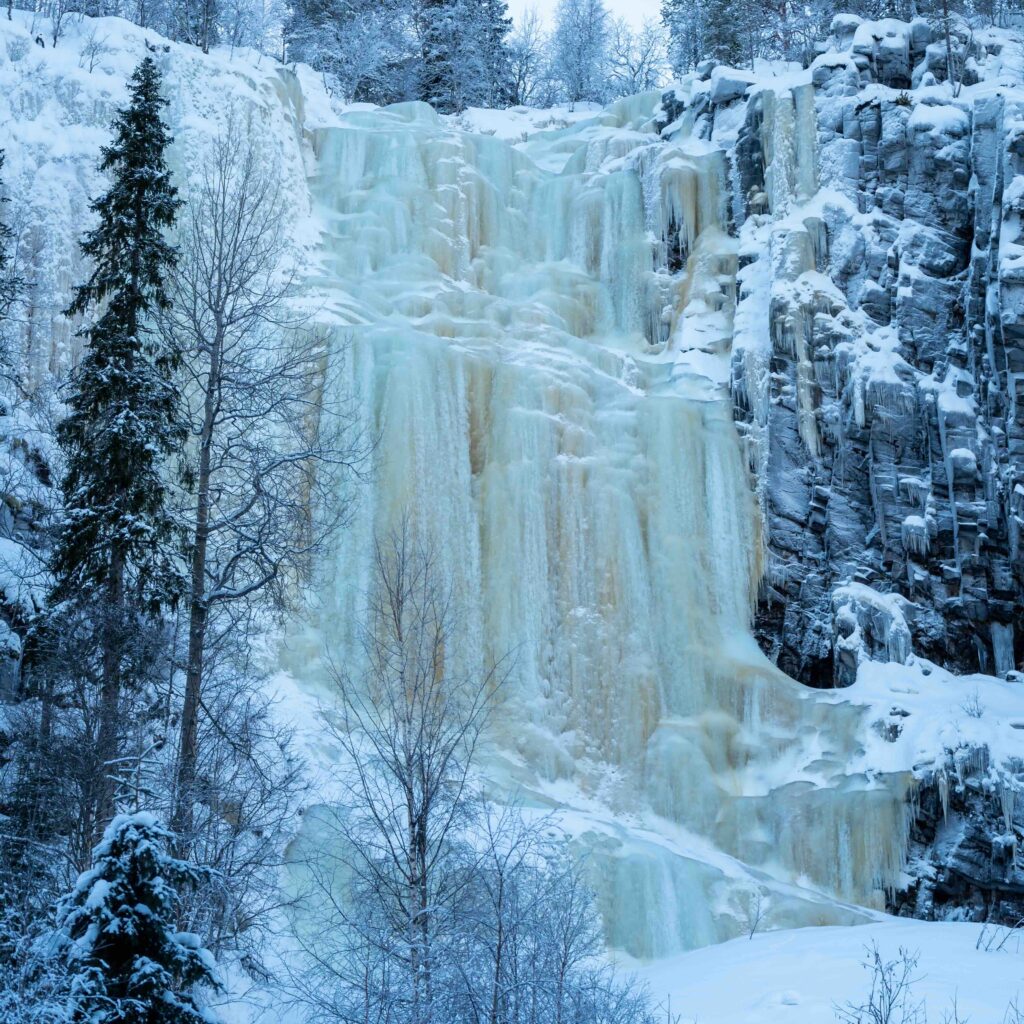
Korouoma Frozen Waterfalls Hike
Korouoma is a Finnish nature reserve area known in winter for its frozen waterfalls, and where ice climbers can be found.
Nature tour
6 hours
Challenging
Cut off: 3 hours before start time
Nature & Culture
From
139 €

Northern Lights Tour in Atmospheric Cottage
Feel the heritage and natural beauty of Finn-Lapland at the atmospheric cottage. Enjoy +100 years old traditional Finnish cottage located by a lake and a Laavu and explore the beautiful landscape.
For Everyone
Northern Lights tour / activity
3 hours
Very easy
Cut off: 3 hours before start time
Northern Lights
From
109 €