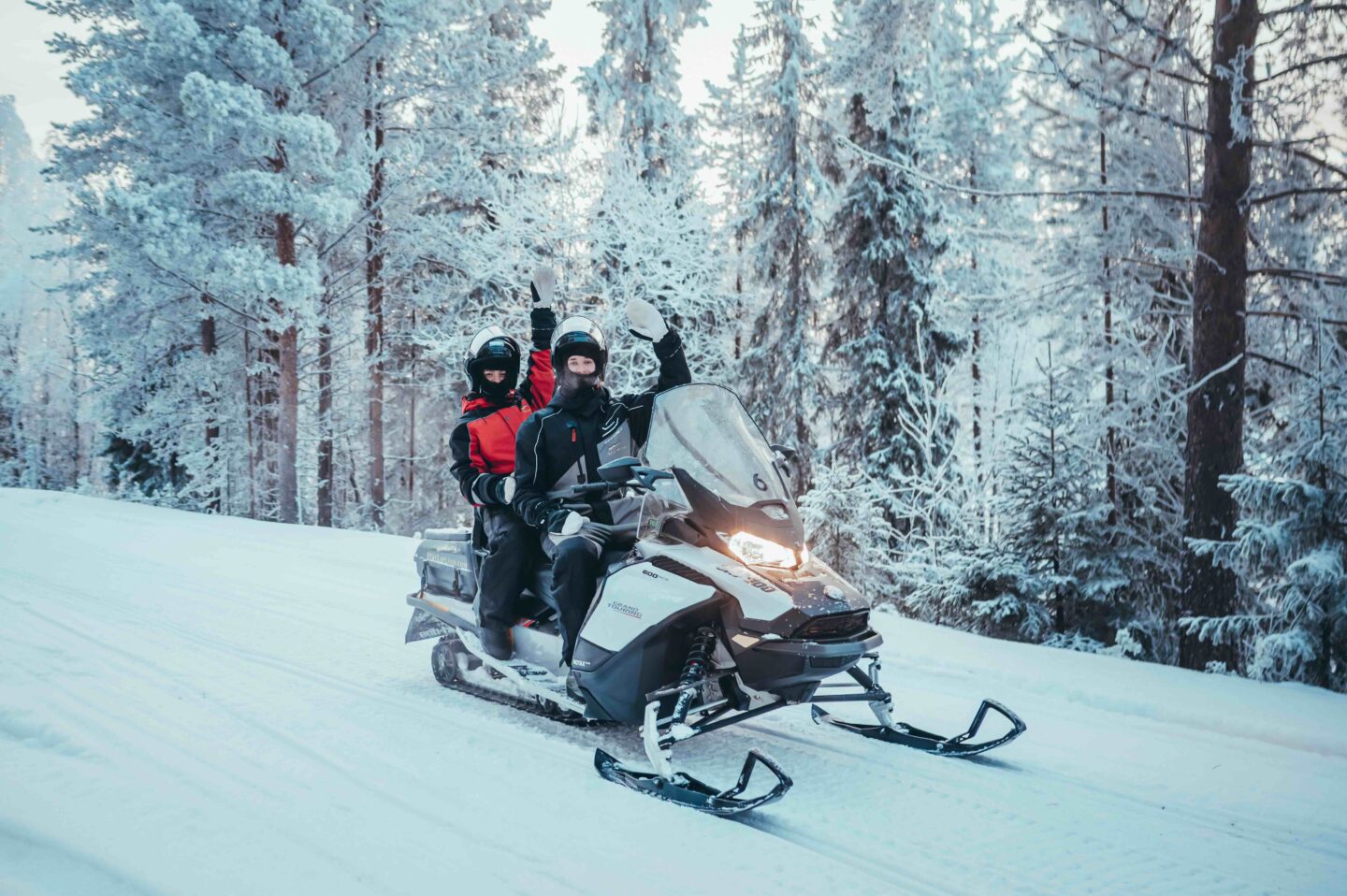
Can two people ride on one snowmobile?

Yes, two people can ride on one snowmobile. Most modern touring snowmobiles are specifically designed for tandem riding, with dedicated driver and passenger seating. These machines typically support a combined weight capacity of 150-200kg, featuring passenger handles, footrests, and comfortable seating for both riders. This double riding configuration is commonly used on guided tours, allowing couples, families, and friends to share the Arctic adventure together whilst exploring Lapland’s snowy wilderness.
Can two people ride on one snowmobile?
Two people riding on one snowmobile is not only possible but a popular choice for many Arctic adventures. Modern touring snowmobiles feature a purpose-built tandem seating arrangement with a driver position at the front and a passenger seat behind. The combined weight capacity typically ranges between 150-200kg, accommodating most adult pairs comfortably.
The passenger position includes essential safety features such as sturdy handles for gripping, dedicated footrests, and proper seating that ensures stability during the ride. This setup allows the driver to maintain full control whilst the passenger enjoys the journey with secure positioning.
At StayLapland, we offer this twin drive option across our snowmobile activities in Rovaniemi, where guests can experience the thrill of Arctic wilderness together. When booking a twin drive snowmobile, you simply include two participants in your booking per machine. This arrangement works beautifully for couples, friends, or family members who want to share the experience whilst one person handles the driving responsibilities.
Children who are 140cm or taller can be seated as passengers on the snowmobile, paying the adult price. For shorter children, we provide heated sleds pulled by guide-driven snowmobiles, ensuring everyone can participate safely in the adventure.
People’s Favorite Winter Activities in Rovaniemi

Northern Lights Tour Snowmobile Driving
Snowmobiling allows you to explore snowy landscapes in search of the best spots to witness the ethereal beauty of the Northern Lights, the Aurora Borealis.
Northern Lights / Snowmobiling Tour
4 hours
Easy
Cut off: 4 hours before start time
Combos, Northern Lights, Snowmobile
From
149 €
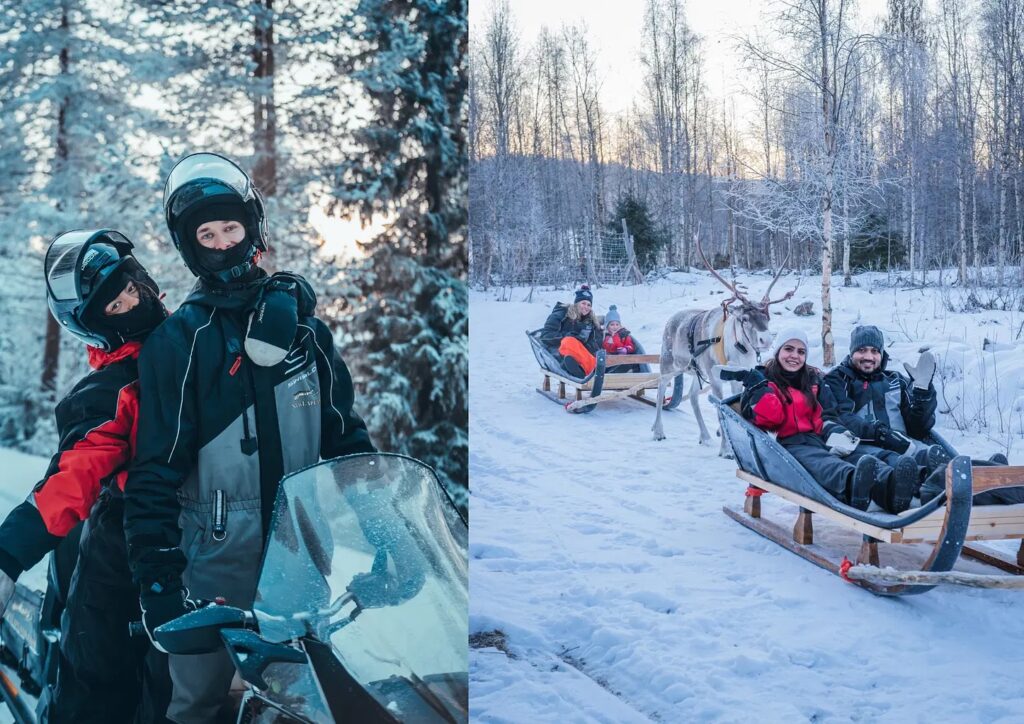
Kuoksa Reindeer & Snowmobile Adventure
Experience the magic of Lapland with a memorable reindeer sleigh ride, delicious salmon soup, and an exciting snowmobile ride. This unforgettable adventure combines action, nature, and local flavors in perfect harmony.
Reindeer and snowmobile safari
5 hours
Easy
Cut off: 8 hours before start time
Combos, Reindeer, Snowmobile
From
249 €
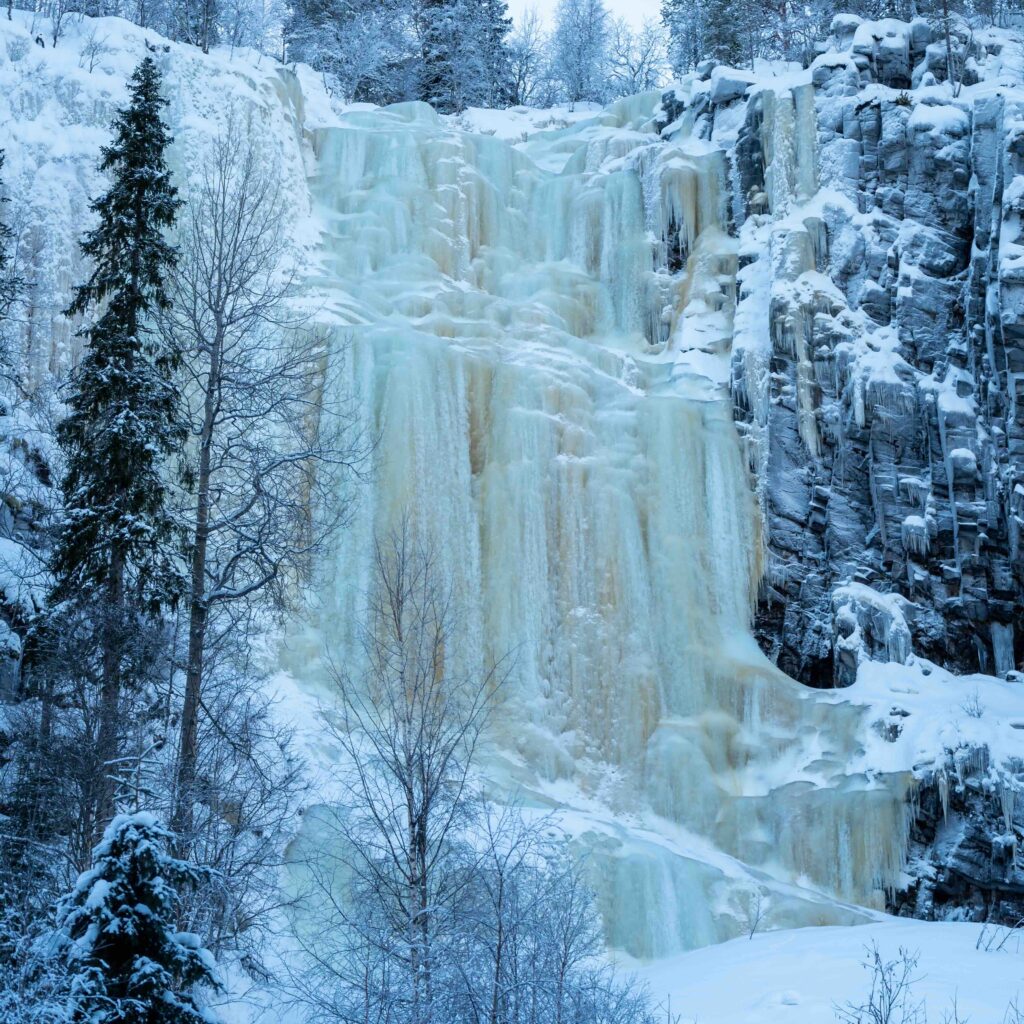
Korouoma Frozen Waterfalls Hike
Korouoma is a Finnish nature reserve area known in winter for its frozen waterfalls, and where ice climbers can be found.
Nature tour
6 hours
Challenging
Cut off: 3 hours before start time
Nature & Culture
From
139 €
What should passengers know before riding on a snowmobile?
Snowmobile passengers should understand proper positioning, safety techniques, and what to expect during the ride. Holding the passenger handles firmly at all times is essential, as is keeping your feet on the designated footrests throughout the journey. When the driver turns, passengers should lean naturally with the movement rather than against it, maintaining body alignment with the snowmobile’s direction.
Communication between driver and passenger matters greatly. Before setting off, establish simple signals for stopping or slowing down. The passenger should avoid sudden movements that could affect the snowmobile’s balance, and always stay seated during the ride.
Arctic conditions demand appropriate clothing, even when you’re not driving. At StayLapland, we provide complete winter gear for all participants, including thermal overalls, warm boots, gloves, woollen socks, and balaclavas. This equipment ensures passengers remain comfortable throughout the safari, regardless of temperatures that can drop significantly below freezing.
Our wilderness snowmobile safaris prioritise passenger safety through comprehensive preparation. Before each tour, our expert guides provide detailed instructions on snowmobile operation and passenger safety. We equip all passengers with helmets and ensure they understand proper positioning and holding techniques. The guides maintain appropriate speeds for conditions and group experience levels, allowing passengers to relax and enjoy the stunning Lapland scenery without worry.
Passengers should expect some bumps and vibrations as the snowmobile travels across varied terrain, including frozen lakes, snowy forests, and open fells. The ride feels exhilarating but remains controlled under our experienced guides’ leadership.
What’s the difference between driving and being a passenger on a snowmobile safari?
Drivers focus on navigation and vehicle control whilst passengers can fully immerse themselves in the Arctic landscape and photography opportunities. The driver must concentrate on steering, speed management, following the guide, and responding to terrain changes. Meanwhile, the snowmobile passenger experiences the journey with hands free to take photos, observe wildlife, and appreciate the stunning scenery of Finnish Lapland without operational responsibilities.
Physical demands differ significantly between the two roles. Driving requires active engagement, arm strength for steering, and constant attention to the trail ahead. Passengers experience a more relaxed journey, though they still need to maintain proper positioning and hold the handles securely.
Age and licensing requirements create another key distinction. To drive a snowmobile, you must be 18 years or older and hold a valid driver’s licence. These requirements don’t apply to passengers, making tandem snowmobile riding accessible to younger participants and those without driving licences. At StayLapland, children aged 140cm or taller can ride as passengers, whilst shorter children travel safely in heated sleds.
We structure our wilderness safaris to accommodate both preferences. Many guests choose to switch roles during longer tours, allowing both participants to experience driving and passenger perspectives. This flexibility means couples or friends can share the adventure in the way that suits them best.
The passenger role makes snowmobile adventures genuinely accessible to everyone. Elderly guests, those nervous about driving, or visitors who simply prefer to observe rather than operate can still experience the magic of gliding through snow-covered wilderness. Our guides lead the way, ensuring safe routes and appropriate pacing regardless of whether guests choose solo or tandem riding.
For those interested in experiencing Lapland’s winter wonderland on a snowmobile safari, whether as driver or passenger, contact us to discuss which arrangement best suits your group’s preferences and abilities. Our team can help you plan the perfect Arctic adventure that matches your comfort level and desired experience.
Experience the Real Lapland

Arctic Snowmobile Tour on Private Trails
Experience the thrill of snowmobiling through Lapland’s winter wonderland! This family-friendly adventure includes about an hour of driving, leading to a private lakeside base. With expert guidance and top-quality gear, it's the perfect mix of excitement and safety. Book now for an unforgettable Arctic ride!
For Everyone
Snowmobiling tour
3 hours
Easy
Cut off: 4 hours before start time
Snowmobile
From
99 €
Korouoma Frozen Waterfalls Hike
Korouoma is a Finnish nature reserve area known in winter for its frozen waterfalls, and where ice climbers can be found.
Nature tour
6 hours
Challenging
Cut off: 3 hours before start time
Nature & Culture
From
139 €

Northern Lights Tour in Atmospheric Cottage
Feel the heritage and natural beauty of Finn-Lapland at the atmospheric cottage. Enjoy +100 years old traditional Finnish cottage located by a lake and a Laavu and explore the beautiful landscape.
For Everyone
Northern Lights tour / activity
3 hours
Very easy
Cut off: 3 hours before start time
Northern Lights
From
109 €