
Does it hurt when reindeer shed antlers?
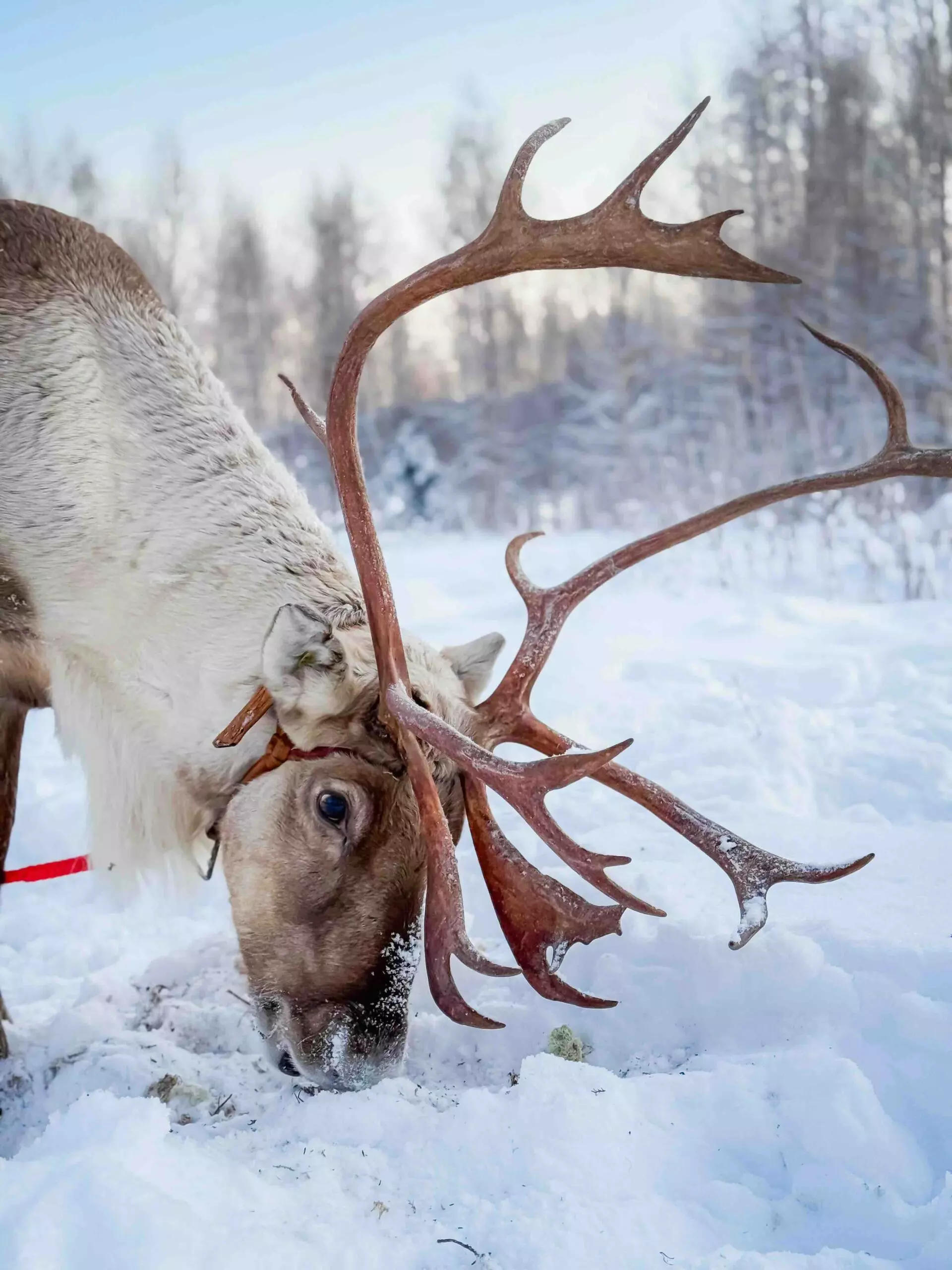
Reindeer antler shedding is a completely painless process that happens naturally every year. When reindeer shed antlers, the bone tissue is already dead because the blood supply has stopped flowing to the antlers weeks before they fall off. This makes the shedding process as pain-free as losing a fingernail. Understanding reindeer antler facts helps visitors appreciate these remarkable Arctic animals even more during traditional reindeer experiences in Finnish Lapland.
Does it hurt when reindeer shed their antlers?
Shedding antlers doesn’t hurt reindeer at all. The process is entirely painless because antlers are made of bone that becomes dead tissue once the blood supply stops. Before shedding occurs, the velvet covering (which contains blood vessels and nerves) has already dried up and been rubbed off, leaving only the hard, lifeless bone structure behind.
The antlers naturally detach at a specific point called the pedicle, where a layer of cells weakens the connection between the antler and the skull. When the time is right, the antlers simply fall off, often one at a time. Reindeer don’t show any signs of discomfort during this process, and they continue their normal activities without interruption. The shedding mechanism is so gentle that reindeer sometimes don’t even notice when an antler drops.
This biological process has evolved over thousands of years to be completely stress-free for these Arctic animals. The timing of when reindeer shed antlers is controlled by hormones that ensure the process happens smoothly and naturally, making it one of the most fascinating reindeer antler facts you’ll learn about during authentic reindeer activities in Rovaniemi.
People’s Favorite Winter Activities in Rovaniemi
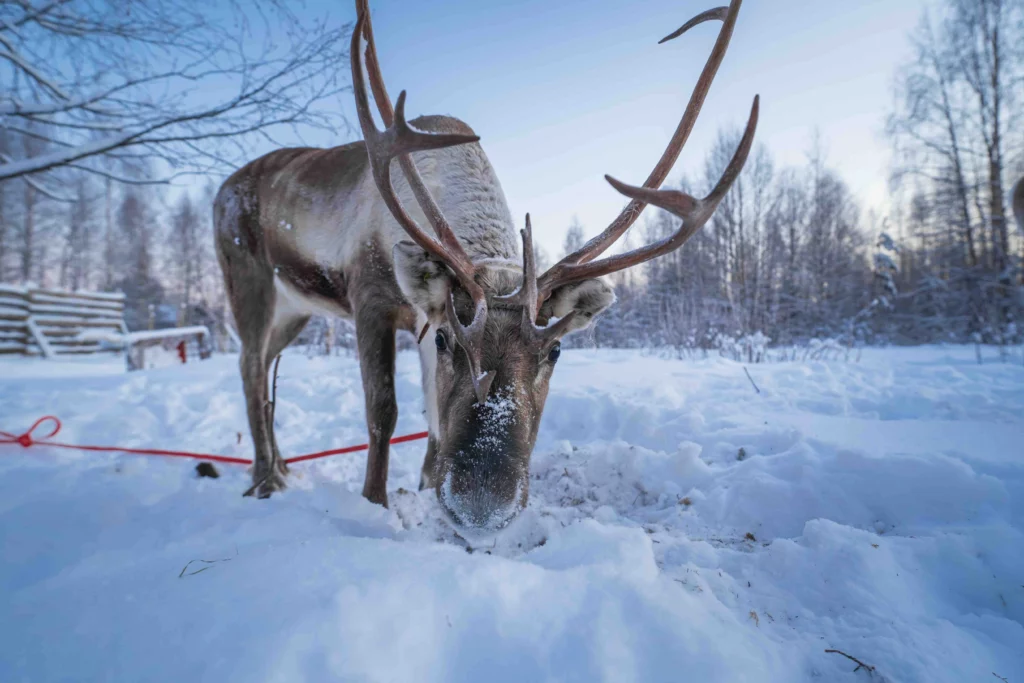
Kuoksa Reindeer Adventure
Welcome to experience a unique family friendly reindeer safari in in arctic landscapes.
Reindeer tour
3 hours
Very easy
Cut off: 12 hours before start time
Reindeer
From
159 €

Arctic Snowmobile Tour on Private Trails
Experience the thrill of snowmobiling through Lapland’s winter wonderland! This family-friendly adventure includes about an hour of driving, leading to a private lakeside base. With expert guidance and top-quality gear, it's the perfect mix of excitement and safety. Book now for an unforgettable Arctic ride!
For Everyone
Snowmobiling tour
3 hours
Easy
Cut off: 4 hours before start time
Snowmobile
From
99 €

Northern Lights Tour in Atmospheric Cottage
Feel the heritage and natural beauty of Finn-Lapland at the atmospheric cottage. Enjoy +100 years old traditional Finnish cottage located by a lake and a Laavu and explore the beautiful landscape.
For Everyone
Northern Lights tour / activity
3 hours
Very easy
Cut off: 3 hours before start time
Northern Lights
From
109 €
Why do reindeer lose their antlers and when does it happen?
Reindeer lose their antlers due to hormonal changes triggered by seasonal cycles and reproductive patterns. The main hormone involved is testosterone, which plays a crucial role in antler growth and shedding. After the mating season ends, testosterone levels drop significantly, causing the bone connection at the pedicle to weaken until the antlers eventually fall off.
Male reindeer typically shed their antlers in late autumn or early winter, shortly after the mating season concludes (usually November or December). Female reindeer, however, follow a completely different schedule. They keep their antlers throughout the entire winter and don’t shed them until spring (typically April or May), after their calves are born. This timing difference serves important evolutionary purposes.
The reason females retain their antlers longer relates to survival and competition for food. During harsh Arctic winters, pregnant female reindeer use their antlers to defend feeding spots and dig through snow to reach vegetation. Since males have already shed their antlers by this time, females gain a competitive advantage when food is scarce. This fascinating adaptation ensures that pregnant and nursing mothers get the nutrition they need during the most challenging months. Young male reindeer also keep their antlers longer than mature males, shedding them in early spring rather than winter.
What happens to reindeer antlers after they fall off?
After reindeer antlers fall off, new antlers begin growing almost immediately from the same pedicles on the skull. The regrowth process starts within days of shedding, making antlers one of the fastest-growing tissues in the animal kingdom. During peak growth periods, reindeer antlers can grow up to one centimetre per day.
The new antlers emerge covered in velvet, a soft, fuzzy skin rich with blood vessels and nerves that supplies nutrients to the developing bone. This velvet stage lasts throughout the summer months whilst the antlers grow to their full size. Once growth is complete (typically by late summer or early autumn), the blood supply stops, the velvet dries up, and reindeer rub their antlers against trees and bushes to remove it, revealing the hard bone underneath.
In nature, shed antlers don’t go to waste. They provide valuable calcium and minerals for small mammals like rodents, which gnaw on them for nutrition. Birds also use antler fragments for nest building. The complete antler cycle from shedding to full regrowth takes about six months, with the timing perfectly synchronized to ensure reindeer have their antlers when they need them most. Visitors can learn about this remarkable regeneration process during reindeer experiences at our private Kuoksa Wilderness Park, where knowledgeable guides share insights about reindeer biology and the fascinating antler shedding cycle throughout the year.
How can you experience reindeer up close in Finnish Lapland?
Experiencing reindeer up close in Rovaniemi offers a genuine connection to Lapland’s cultural heritage and natural wonders. At StayLapland, we provide traditional reindeer encounters at our private Kuoksa Wilderness Park, where you can meet these gentle Arctic animals in their natural environment whilst learning about their behaviour, biology, and the fascinating antler cycles that make them so unique.
Our expert guides bring generations of Arctic knowledge to every experience, sharing detailed information about reindeer herding traditions and answering questions about everything from antler shedding to seasonal adaptations. During your visit, you’ll have plenty of opportunities to interact with the reindeer, take photographs, and even enjoy a peaceful reindeer sleigh ride through snowy forests, experiencing the most traditional form of transportation in Lapland.
We offer several authentic reindeer activities in Finland, from short farm visits with educational encounters to longer adventures that combine reindeer sleigh rides with other Arctic experiences. Each activity includes warm thermal clothing (available in adult and children’s sizes), professional English-speaking guides (with other languages available upon request), and complimentary pick-up and drop-off within 10 kilometres of Rovaniemi city centre. You’ll warm up in a traditional teepee hut with a campfire, enjoying warm berry juice and learning about the vital role reindeer play in Lappish culture.
The best time to visit for reindeer activities runs from late November through early April, when the winter landscape creates the perfect setting for these magical encounters. Whether you’re curious about reindeer antlers shedding, want to experience traditional reindeer sledding, or simply wish to meet these remarkable animals up close, our experiences prioritize animal welfare whilst providing genuine cultural insights. To plan your authentic reindeer encounter in Finnish Lapland, get in touch with us and we’ll help create an unforgettable Arctic adventure that respects both tradition and nature.
Experience the Real Lapland
Arctic Snowmobile Tour on Private Trails
Experience the thrill of snowmobiling through Lapland’s winter wonderland! This family-friendly adventure includes about an hour of driving, leading to a private lakeside base. With expert guidance and top-quality gear, it's the perfect mix of excitement and safety. Book now for an unforgettable Arctic ride!
For Everyone
Snowmobiling tour
3 hours
Easy
Cut off: 4 hours before start time
Snowmobile
From
99 €
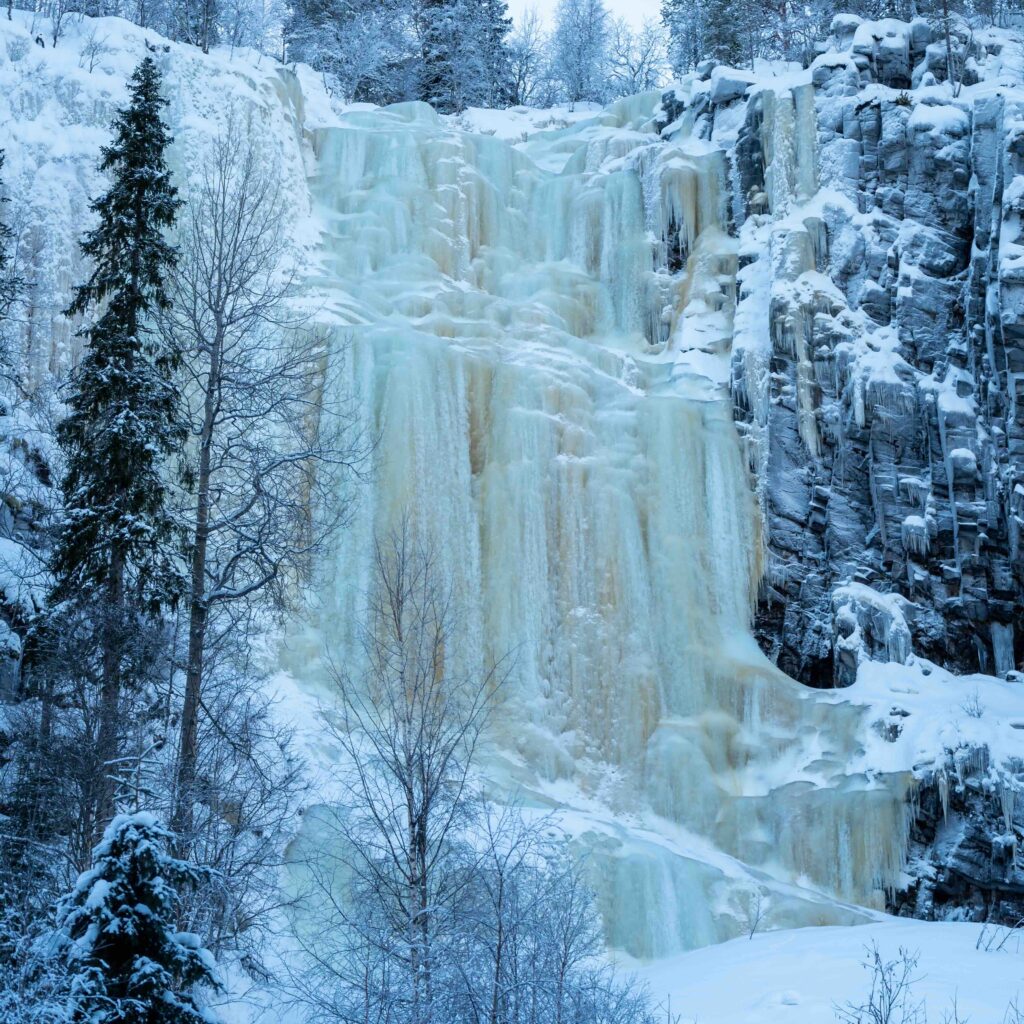
Korouoma Frozen Waterfalls Hike
Korouoma is a Finnish nature reserve area known in winter for its frozen waterfalls, and where ice climbers can be found.
Nature tour
6 hours
Challenging
Cut off: 3 hours before start time
Nature & Culture
From
139 €
Northern Lights Tour in Atmospheric Cottage
Feel the heritage and natural beauty of Finn-Lapland at the atmospheric cottage. Enjoy +100 years old traditional Finnish cottage located by a lake and a Laavu and explore the beautiful landscape.
For Everyone
Northern Lights tour / activity
3 hours
Very easy
Cut off: 3 hours before start time
Northern Lights
From
109 €