How do reindeer adapt to Arctic winters?
Reindeer thrive in Arctic winters through remarkable physical adaptations including specialized double-layered fur with hollow hairs that trap warm air, unique nasal passages that pre-warm freezing air before it reaches their lungs, and hooves that change structure seasonally. These Arctic reindeer characteristics enable them to survive in temperatures plummeting to -40°C and below, whilst their ability to see ultraviolet light helps them navigate the polar darkness that dominates winter months in regions like Finnish Lapland.
What physical adaptations help reindeer survive extreme Arctic cold?
Reindeer possess extraordinary physical features that make Arctic survival possible. Their double-layered fur coat consists of dense underfur covered by hollow guard hairs that create insulating air pockets, trapping body heat whilst repelling moisture from snow. This reindeer cold weather survival system works so efficiently that snow landing on their backs doesn’t melt, demonstrating how little body heat escapes.
Their respiratory system includes specialized nasal passages that warm incoming air by up to 20 degrees before it reaches their lungs, protecting delicate tissue from frostbite damage. This adaptation proves essential during Arctic winters when breathing frigid air could otherwise cause serious harm. The blood vessels in their noses also help regulate body temperature through controlled heat exchange.
Reindeer hooves demonstrate remarkable seasonal adaptability. During summer, their footpads remain soft and spongy for traction on tundra terrain. As winter approaches, these pads shrink and harden, whilst the sharp hoof edges become more pronounced, creating natural ice cleats that prevent slipping on frozen surfaces. This transformation happens naturally as temperatures drop, preparing them for months of navigating snow and ice.
Perhaps most fascinating is their vision adaptation. Reindeer can see ultraviolet light during the prolonged Arctic darkness, allowing them to detect predators and locate food sources that would be invisible to animals with standard vision. This UV sensitivity helps them spot lichen against snow and identify threats in the dim winter light that characterizes regions above the Arctic Circle.
People’s Favorite Winter Activities in Rovaniemi

Northern Lights Tour Snowmobile Driving
Snowmobiling allows you to explore snowy landscapes in search of the best spots to witness the ethereal beauty of the Northern Lights, the Aurora Borealis.
Northern Lights / Snowmobiling Tour
4 hours
Easy
Cut off: 4 hours before start time
Combos, Northern Lights, Snowmobile
From
149 €
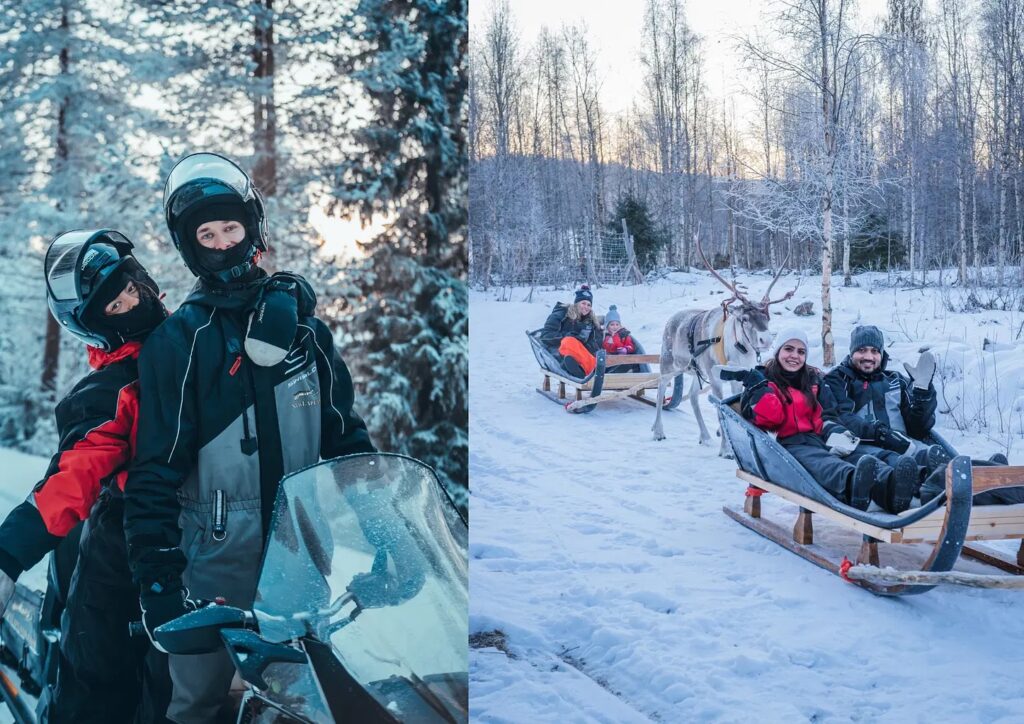
Kuoksa Reindeer & Snowmobile Adventure
Experience the magic of Lapland with a memorable reindeer sleigh ride, delicious salmon soup, and an exciting snowmobile ride. This unforgettable adventure combines action, nature, and local flavors in perfect harmony.
Reindeer and snowmobile safari
5 hours
Easy
Cut off: 8 hours before start time
Combos, Reindeer, Snowmobile
From
249 €
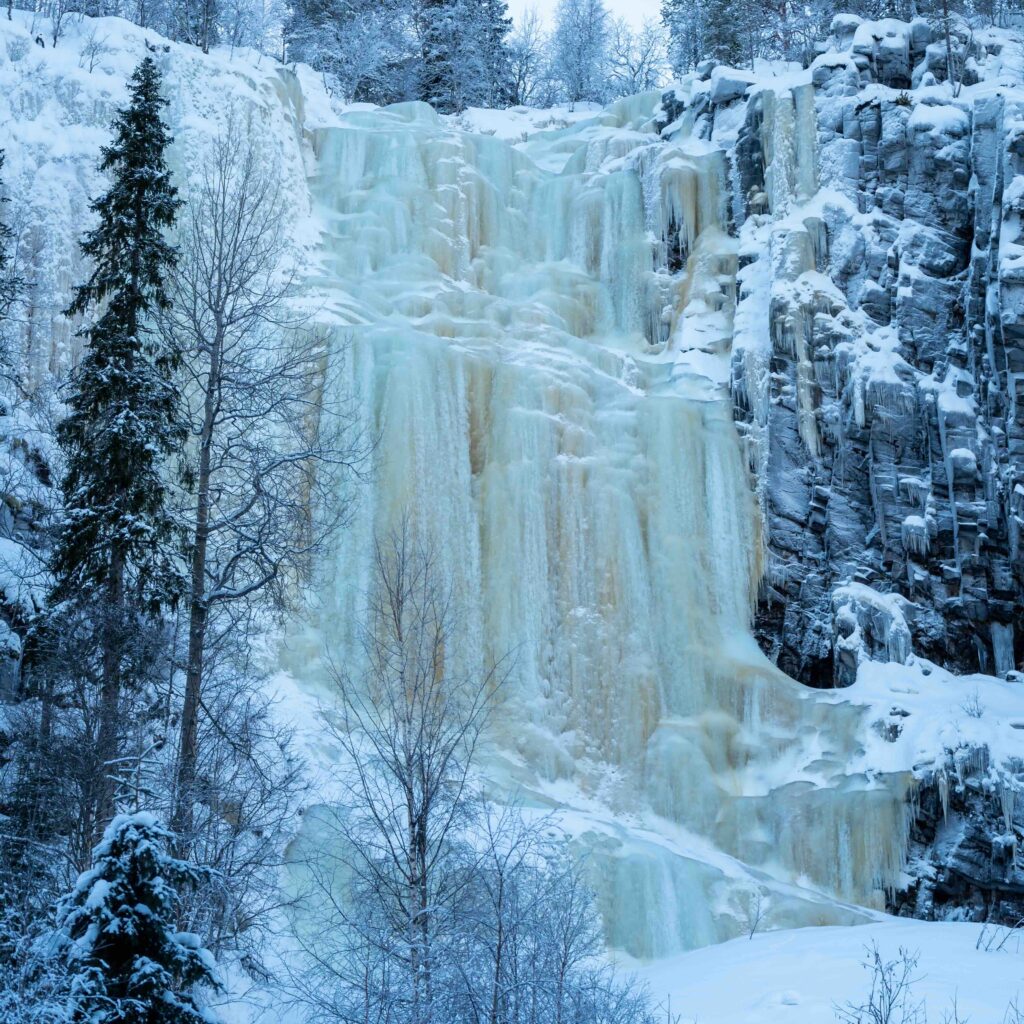
Korouoma Frozen Waterfalls Hike
Korouoma is a Finnish nature reserve area known in winter for its frozen waterfalls, and where ice climbers can be found.
Nature tour
6 hours
Challenging
Cut off: 3 hours before start time
Nature & Culture
From
139 €
How do reindeer find food under deep Arctic snow?
Reindeer survive winter through sophisticated foraging strategies centred on locating lichen beneath snow cover. Their exceptional sense of smell allows them to detect lichen buried under 60 centimetres or more of snow, identifying feeding areas that appear barren to the untrained eye. This ability becomes critical during the darkest months when visual cues diminish and food sources hide beneath accumulating snowfall.
Once they’ve located food, their specialized hooves function as efficient snow shovels. Reindeer use powerful digging motions to excavate through ice-crusted snow layers, creating feeding craters called “cratering” in scientific terms. This behaviour requires significant energy expenditure, which is why their ability to accurately locate lichen before digging proves so important for Arctic reindeer winter behavior and energy conservation.
Their digestive system has adapted to extract maximum nutrition from limited winter vegetation. Reindeer possess a specialized four-chambered stomach that efficiently processes lichen, which contains fewer nutrients than summer vegetation. Microorganisms in their digestive tract break down the tough plant material, allowing them to survive on a diet that would be insufficient for most other mammals of similar size.
Reindeer feeding patterns change dramatically during winter months. They spend considerably more time foraging compared to summer, often feeding throughout both day and night during the polar darkness. This continuous grazing pattern helps them maintain their energy reserves despite the lower nutritional value of winter food sources. Understanding these natural behaviours helps visitors appreciate the resilience required for Arctic survival when they experience authentic reindeer activities in Rovaniemi.
Why are reindeer so important to Lapland culture and traditions?
Reindeer have shaped Lapland culture for thousands of years, forming the foundation of traditional Arctic survival and cultural identity. These animals provided transportation, food, clothing, and tools, making human habitation possible in one of Earth’s most challenging environments. The relationship between reindeer and the people of Finnish Lapland represents a sustainable partnership that has endured through countless generations.
Traditional reindeer herding required intimate knowledge of animal behaviour, seasonal migration patterns, and Arctic weather systems. This expertise passed down through families created a cultural heritage that continues today. Modern Lapland honours these traditions whilst adapting to contemporary life, maintaining the deep respect for reindeer that has always characterized the region.
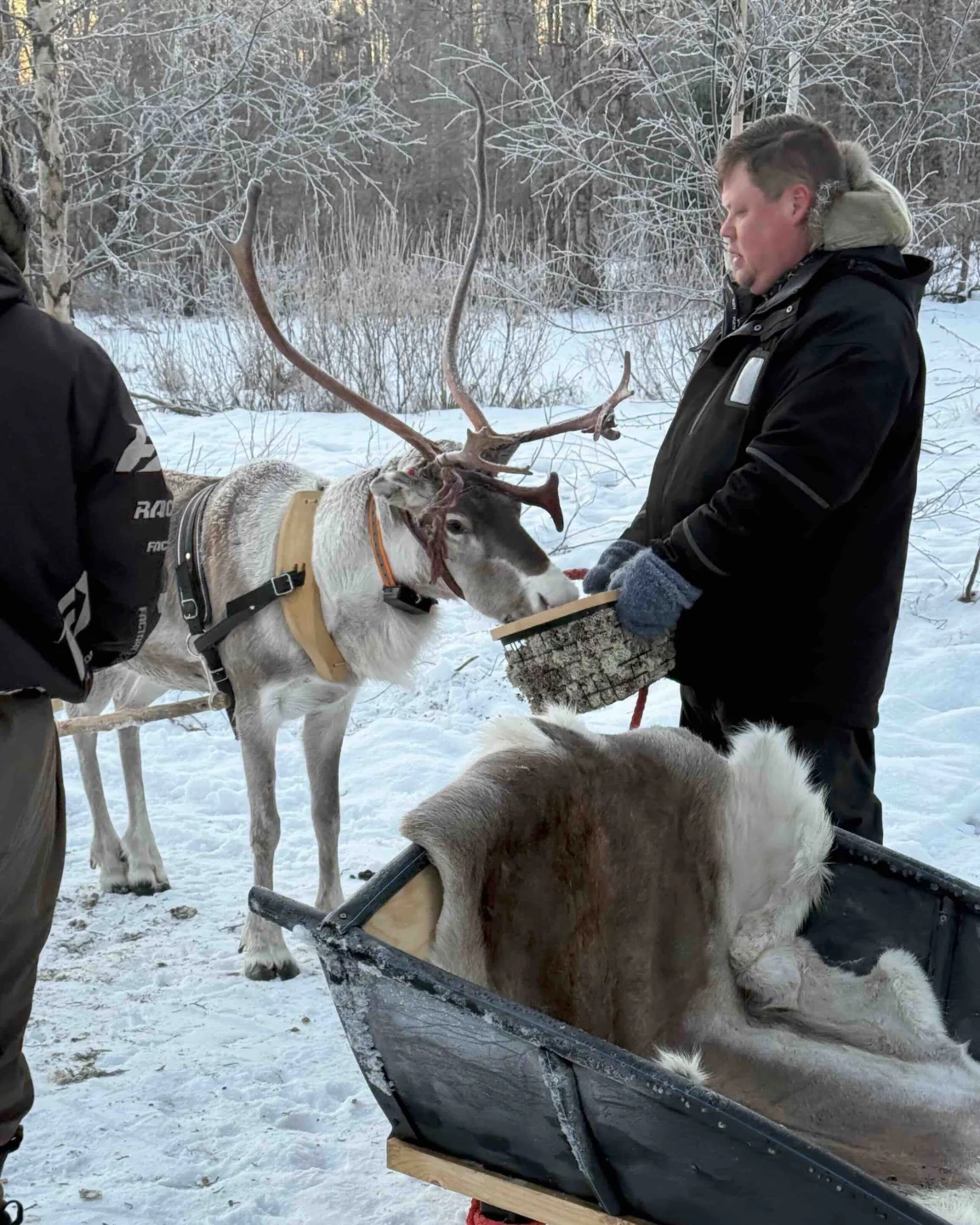
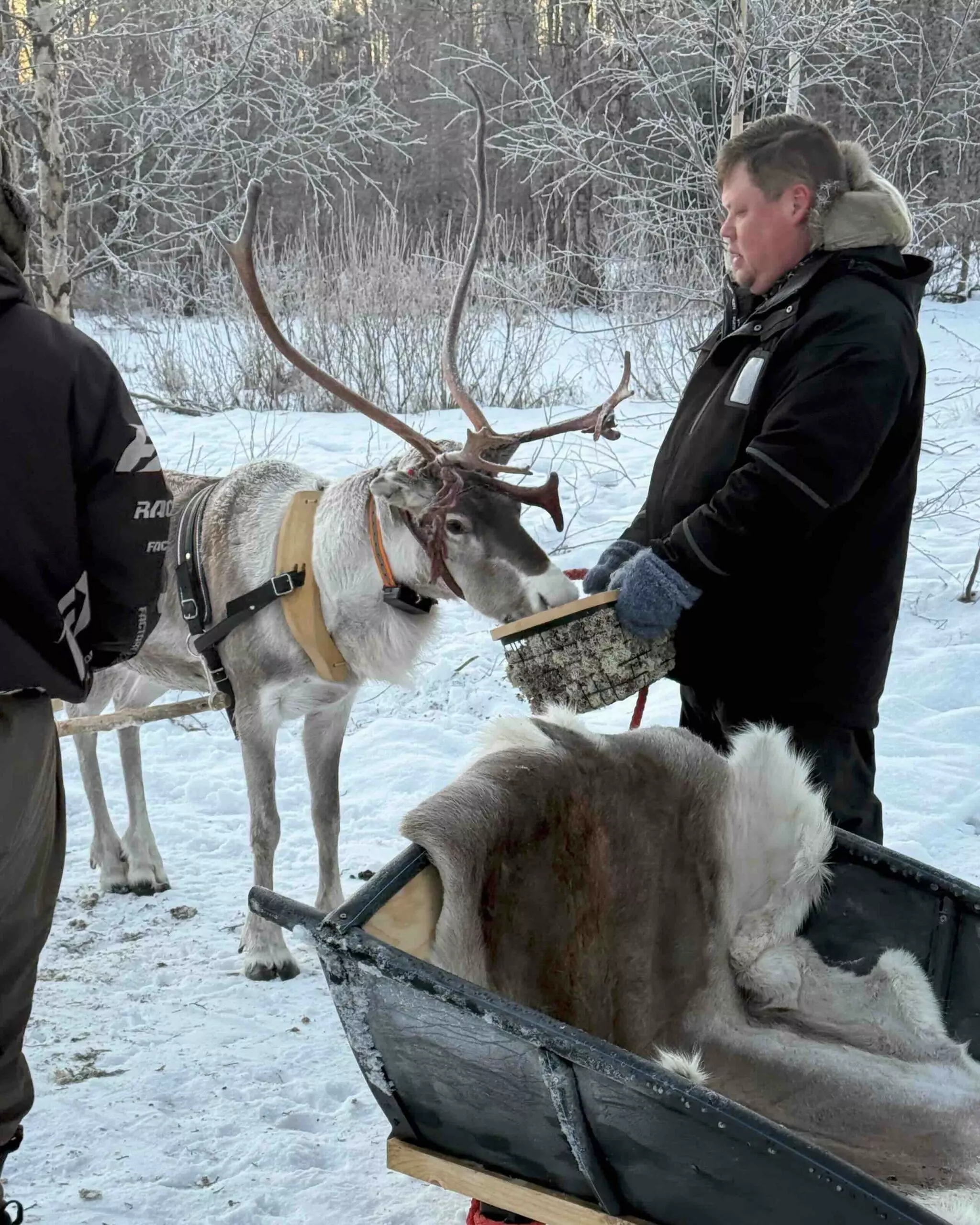
At StayLapland, we share this cultural connection through genuine experiences at our Kuoksa Wilderness Park. Our reindeer activities allow visitors to learn from experts with generations of Arctic knowledge about reindeer adaptations Arctic animals have developed. During traditional feeding experiences, guests discover how reindeer find food beneath snow and understand the seasonal changes these remarkable animals undergo.
Our reindeer sleigh rides through snowy Lapland forests offer peaceful opportunities to observe these gentle creatures in their natural environment. Visitors experience the traditional form of Arctic transportation whilst hearing stories about reindeer herding life and the vital role these animals continue to play in Finnish Lapland culture. These authentic encounters help guests appreciate the sustainable relationship between humans and reindeer that defines the region.
We provide comprehensive winter clothing including thermal overalls, boots, gloves, and hats in both adult and children’s sizes, ensuring comfort during your Arctic experience. Our activities include pick-up and drop-off services within 10 kilometres of Rovaniemi city centre, making it convenient to discover these Lapland reindeer experiences. The best time to visit Rovaniemi for reindeer activities extends from late November through early April, when the Arctic winter landscape showcases these animals’ remarkable survival adaptations.
Whether you’re interested in learning about reindeer cold weather survival, experiencing a traditional sleigh ride, or understanding the cultural significance of these Arctic animals, our expert guides share authentic knowledge that connects you to Lapland’s living traditions. To plan your visit and discover how reindeer survive winter in their natural Arctic environment, contact our team for personalized assistance with your Lapland adventure.
Experience the Real Lapland

Arctic Snowmobile Tour on Private Trails
Experience the thrill of snowmobiling through Lapland’s winter wonderland! This family-friendly adventure includes about an hour of driving, leading to a private lakeside base. With expert guidance and top-quality gear, it's the perfect mix of excitement and safety. Book now for an unforgettable Arctic ride!
For Everyone
Snowmobiling tour
3 hours
Easy
Cut off: 4 hours before start time
Snowmobile
From
99 €
Korouoma Frozen Waterfalls Hike
Korouoma is a Finnish nature reserve area known in winter for its frozen waterfalls, and where ice climbers can be found.
Nature tour
6 hours
Challenging
Cut off: 3 hours before start time
Nature & Culture
From
139 €

Northern Lights Tour in Atmospheric Cottage
Feel the heritage and natural beauty of Finn-Lapland at the atmospheric cottage. Enjoy +100 years old traditional Finnish cottage located by a lake and a Laavu and explore the beautiful landscape.
For Everyone
Northern Lights tour / activity
3 hours
Very easy
Cut off: 3 hours before start time
Northern Lights
From
109 €