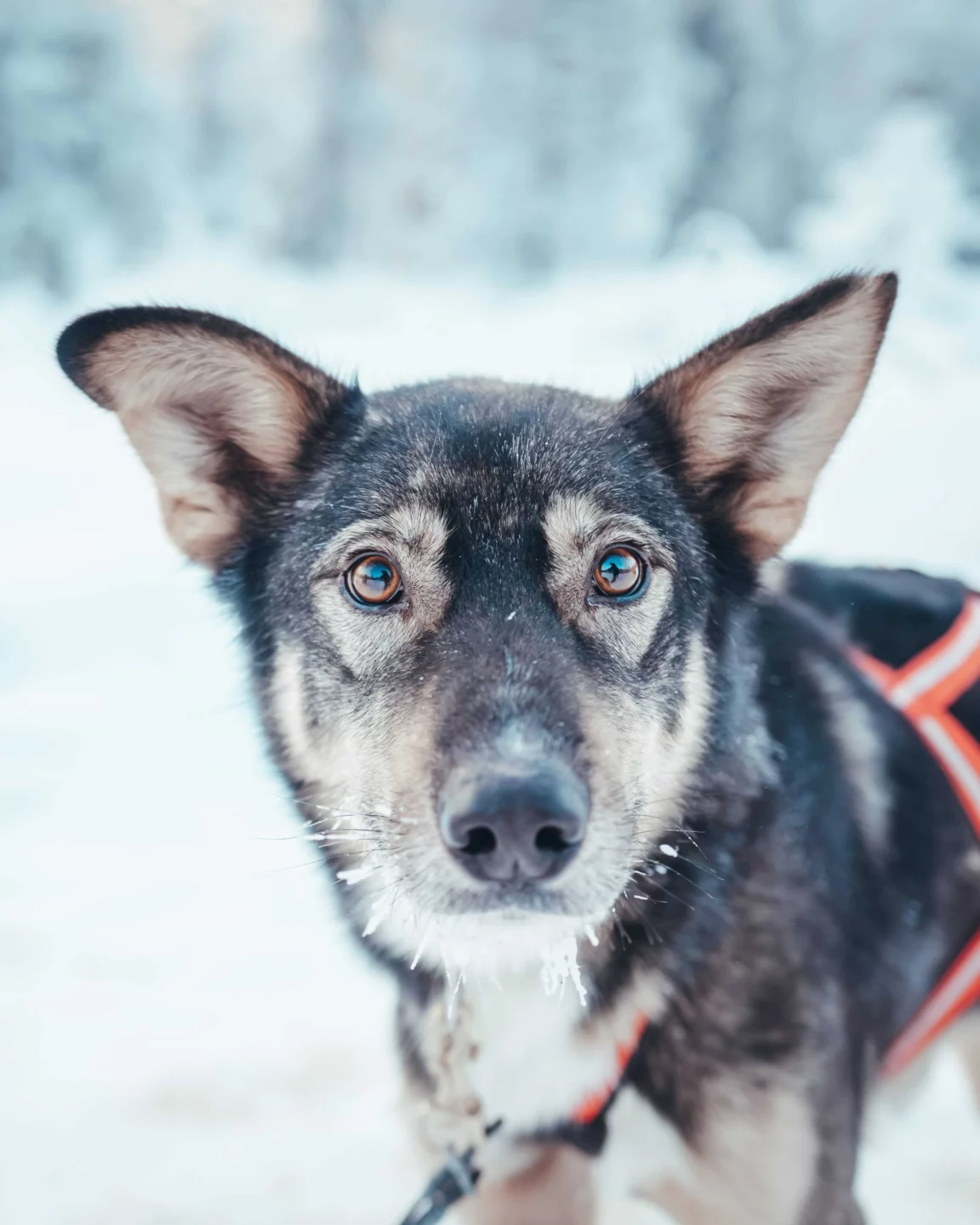
How do huskies’ paws not freeze?
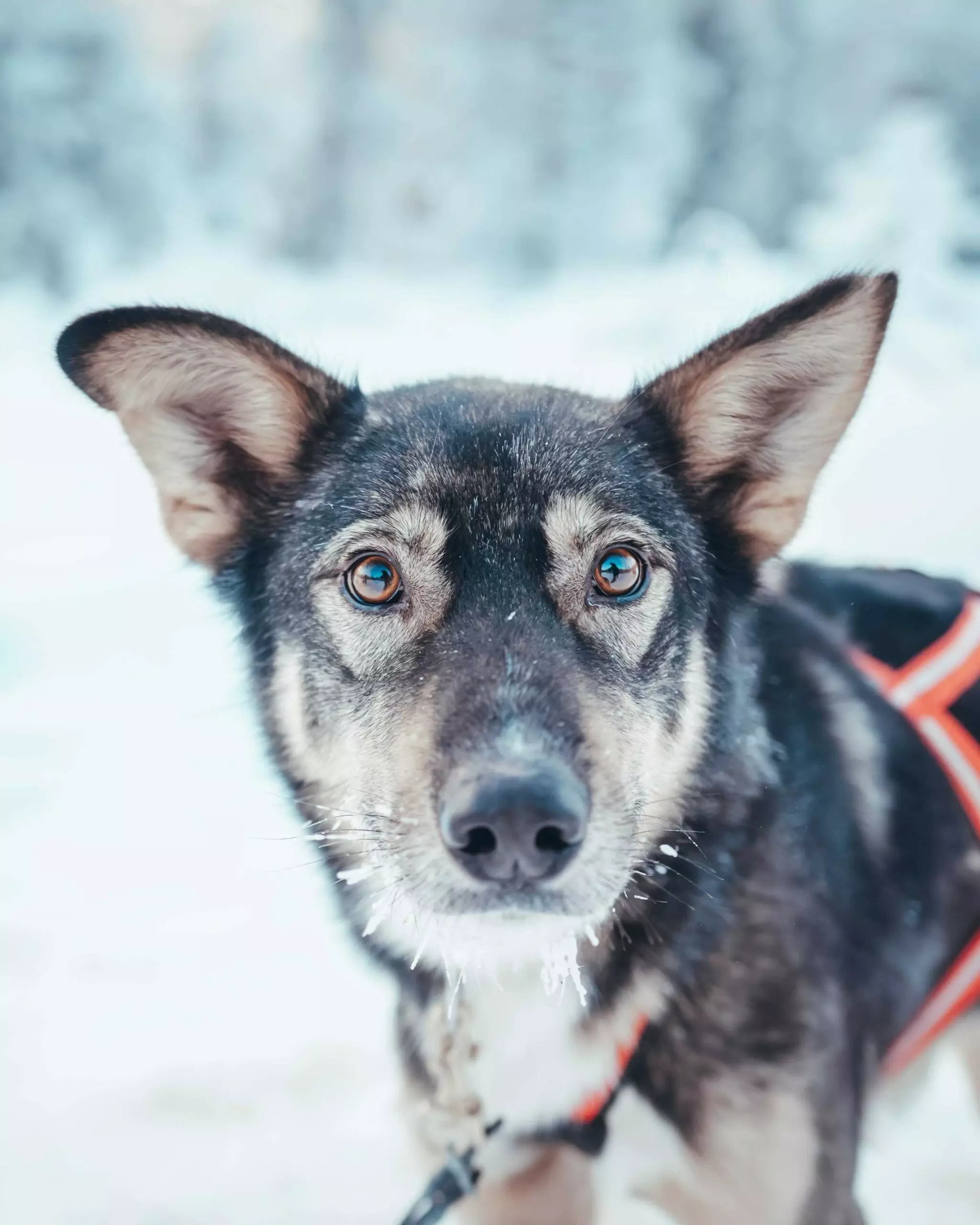
Husky paws don’t freeze because of remarkable biological adaptations including a counter-current heat exchange system that maintains warmth whilst preserving energy. Their specialised blood vessel arrangement, thick paw pad structure, and natural insulation properties allow these arctic dogs to run comfortably on snow and ice at temperatures as low as -50°C without frostbite. These evolutionary features make huskies perfectly suited for winter work and sledding in extreme cold environments.
How do huskies’ paws not freeze in extreme cold?
Huskies possess a sophisticated counter-current heat exchange system in their paws that prevents freezing in extreme cold. Warm arterial blood flowing down to the paws passes closely alongside cold venous blood returning from the paws, transferring heat before it reaches the extremities. This ingenious system maintains paw temperature just above freezing whilst conserving core body heat.
The blood vessels in husky paws are arranged in a specialised network that maximises this heat transfer. Arteries carrying warm blood from the heart sit directly adjacent to veins returning cold blood, creating an efficient thermal exchange. This adaptation means huskies lose minimal body heat through their paws even when standing on frozen ground for extended periods.
Beyond circulation, husky paw pads feature thick, resilient tissue with substantial fat deposits that provide natural insulation. The pads contain densely packed collagen fibres that create a cushioning effect whilst maintaining flexibility in freezing temperatures. This structure protects sensitive tissues from ice crystal formation and maintains grip on slippery surfaces, essential qualities for sled dog paws working in Arctic conditions.
People’s Favorite Winter Activities in Rovaniemi

Nulkki Husky Adventure
Family Friendly 5km Self Driven Husky Sleigh Tour in Rovaniemi.
Husky tour
4 hours
Easy
Cut off: 12 hours before start time
Husky
From
189 €

Lapland Bucketlist Adventure with Huskies, Reindeer & Snowmobiles. Lunch & Photographer Included!
Experience the ultimate Lapland bucket list in one unforgettable day with huskies, reindeer, and snowmobiles. Includes a warm lunch and a professional photographer to capture every moment.
Combo tour
6 hours
Moderate
Cut off: 4 hours before start time
Combos, Husky, Reindeer, Snowmobile
From
449 €

Arctic Snowmobile Tour on Private Trails
Experience the thrill of snowmobiling through Lapland’s winter wonderland! This family-friendly adventure includes about an hour of driving, leading to a private lakeside base. With expert guidance and top-quality gear, it's the perfect mix of excitement and safety. Book now for an unforgettable Arctic ride!
For Everyone
Snowmobiling tour
3 hours
Easy
Cut off: 4 hours before start time
Snowmobile
From
99 €
What makes husky paw pads different from other dog breeds?
Husky paw pads contain significantly thicker tissue and higher fat content compared to regular dog breeds, providing superior insulation against frozen ground. The paw pads measure nearly twice the thickness of typical domestic dog breeds, with specialised proteins that actively prevent ice crystal formation within the tissue. These evolutionary adaptations specifically equip huskies for sustained work in sub-zero temperatures.
The cellular structure of arctic dog paws differs fundamentally from other breeds. Huskies possess additional layers of keratinised epithelium that create a tougher, more weather-resistant surface. The increased fat content within the paw pads acts as both insulation and shock absorption, allowing these dogs to maintain comfort during long-distance sledding across rough, frozen terrain.
The circulation patterns in husky paws show remarkable specialisation. Whilst most dog breeds have standard blood flow to their extremities, huskies feature an enhanced network of capillaries that maintains optimal tissue temperature without excessive heat loss. This means dog paws in cold weather remain functional and pain-free even during extended exposure that would cause discomfort or injury to non-arctic breeds. These husky winter adaptations represent thousands of years of natural selection for survival and work in harsh northern climates.
How can you experience working huskies in their natural arctic environment?
Authentic husky sledding experiences in Finnish Lapland allow you to witness these remarkable arctic animal adaptations firsthand. At StayLapland’s exclusive Kuoksa Wilderness Park, guests participate in professional husky operations that showcase generations of Arctic expertise. These experiences provide genuine interaction with working sled dogs whilst learning about their extraordinary cold-weather capabilities and the traditions of northern sledding culture.
During husky activities in Rovaniemi, guests receive comprehensive instruction on mushing techniques before driving their own dog teams through pristine Arctic wilderness. Our passionate guides share detailed knowledge about husky care, training methods, and the biological features that allow these dogs to thrive in extreme conditions. You’ll observe how husky paw adaptations enable the dogs to run effortlessly across snow and ice, demonstrating the remarkable thermal regulation systems that protect them from freezing.
We offer various husky sledding experiences ranging from introductory rides to extended wilderness adventures. Each tour includes winter clothing such as thermal overalls, boots, gloves, and socks to keep you comfortable whilst the huskies showcase their natural abilities. Our commitment to animal welfare ensures all dogs receive exceptional care, proper rest, and optimal nutrition. The sledding season typically begins in late November or early December when conditions are perfect for these magnificent animals to demonstrate why their paws never freeze, even in Lapland’s coldest months.
Experiencing working huskies in their natural environment provides unforgettable insight into how these dogs have evolved for Arctic life. Whether you’re interested in the science behind sled dog paws or simply want to enjoy an authentic northern adventure, our husky activities offer both education and excitement. For more information about joining these unique Arctic experiences, please contact us to plan your visit to Finnish Lapland.
Experience the Real Lapland
Arctic Snowmobile Tour on Private Trails
Experience the thrill of snowmobiling through Lapland’s winter wonderland! This family-friendly adventure includes about an hour of driving, leading to a private lakeside base. With expert guidance and top-quality gear, it's the perfect mix of excitement and safety. Book now for an unforgettable Arctic ride!
For Everyone
Snowmobiling tour
3 hours
Easy
Cut off: 4 hours before start time
Snowmobile
From
99 €
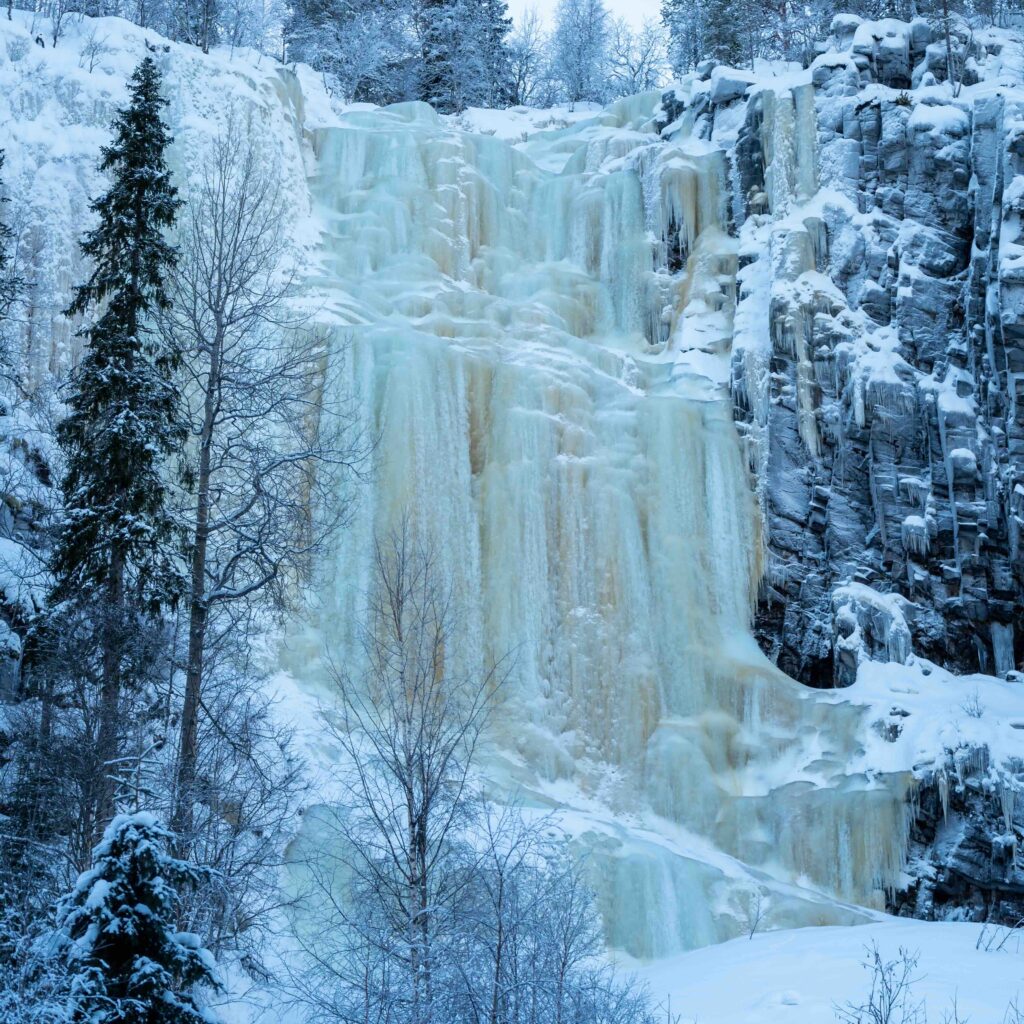
Korouoma Frozen Waterfalls Hike
Korouoma is a Finnish nature reserve area known in winter for its frozen waterfalls, and where ice climbers can be found.
Nature tour
6 hours
Challenging
Cut off: 3 hours before start time
Nature & Culture
From
139 €

Northern Lights Tour in Atmospheric Cottage
Feel the heritage and natural beauty of Finn-Lapland at the atmospheric cottage. Enjoy +100 years old traditional Finnish cottage located by a lake and a Laavu and explore the beautiful landscape.
For Everyone
Northern Lights tour / activity
3 hours
Very easy
Cut off: 3 hours before start time
Northern Lights
From
109 €